Last updated October 15, 2026
DIY vs Professional ADU: The San Francisco Homeowner’s Decision Guide
Most San Francisco homeowners who consider building their own ADU are worried about whether they have the skills. That’s the wrong question. The right question is whether they’re prepared to carry the legal and financial liability of a general contractor, because in San Francisco, pulling a permit as an owner-builder doesn’t just mean you’re managing subcontractors. It means you’re accepting personal responsibility for every code violation, every failed inspection, and every future defect on that structure. This guide maps exactly where DIY is legal, where it isn’t, what it actually costs after accounting for insurance gaps, and how to decide which path fits your lot, your budget, and your tolerance for risk. For step-by-step help finding the right professional, see our dedicated resource.
Quick Answer
The DIY-versus-hire decision for an ADU in San Francisco comes down to permit liability. Homeowners can legally act as their own general contractor (owner-builder), but most homeowner’s insurance policies exclude structural and life-safety claims on owner-built projects, leaving you personally exposed. For most San Francisco homeowners, hiring a licensed contractor like Sutton ADU San Francisco costs 10 – 15% more upfront but removes that liability entirely and typically finishes the project 4 – 6 months faster.
Table of Contents
- The Legal Reality: What Owner-Builder Status Actually Means in San Francisco
- True Cost Comparison: DIY vs Professional ADU in San Francisco
- San Francisco Permit Categories: Where DIY Is Legal and Where It Isn’t
- The Insurance Gap Most Homeowners Miss
- What Homeowners Can Legitimately Do Themselves
- What Acting as Your Own GC Actually Means Day to Day
- The Prefab Factor: How Factory-Built ADUs Change the DIY Equation
- Common Mistakes to Avoid
- When to Call a Professional
- Frequently Asked Questions
The Legal Reality: What Owner-Builder Status Actually Means in San Francisco
Under California law, a homeowner can pull a building permit for work on their own primary residence and act as their own general contractor. That includes ADU construction. San Francisco’s Department of Building Inspection honors this owner-builder provision. So far, so legal. But here’s what the permit application doesn’t tell you: when you sign as owner-builder, you are certifying under penalty of perjury that you will either do the work yourself or directly supervise the people you hire. You are not hiring a contractor. You are becoming one.
That has three consequences. First, you’re responsible for ensuring every subcontractor you bring on site carries their own workers’ compensation insurance and is properly licensed for their trade. If a framing crew you hired under the table gets injured on your property, that claim lands on you. Second, you’re liable for construction defects on the ADU for up to 10 years under California’s right-to-repair statute, even after you sell the property. Third, if the project goes sideways and you need to hire a licensed contractor mid-build to fix things, many won’t touch it, because they inherit liability for work they didn’t perform.
We’ve seen this play out repeatedly in San Francisco neighborhoods like the Excelsior and the Outer Sunset, where homeowners started with good intentions and a lean budget, then found themselves paying more to unwind mistakes than the original labor savings were worth.
True Cost Comparison: DIY vs Professional ADU in San Francisco
Let’s talk real numbers. A detached 400-square-foot ADU in San Francisco currently runs between $280,000 and $420,000 when a licensed contractor handles everything, including site preparation, foundation, framing, mechanical, and finishes. Acting as your own GC can shave 10% to 20% off that number, because the general contractor’s fee (typically 10 – 15% of the hard costs) is the single largest removable line item.
But the labor savings are rarely what they appear on paper. Here’s what a realistic comparison looks like:
- GC fee saved (10 – 15%): $28,000 – $63,000 on a $280,000 – $420,000 project
- Subcontractor markup saved (when you hire direct): varies, but often 5 – 8% in San Francisco’s tight labor market
- Cost of a failed inspection: $1,200 – $4,800 per occurrence, including re-inspection fees and the cost of correcting the violation
- Cost of a single construction defect discovered at final inspection: $3,000 – $25,000 depending on what’s wrong, from flashing to foundation issue
- Insurance gap exposure if a worker is injured: potentially unlimited, since owner-builders often lack the umbrella coverage contractors carry
- Time cost: most owner-builder ADUs in San Francisco take 9 – 14 months from permit to final, versus 6 – 9 months with a professional crew
So if everything goes perfectly, you save $30,000 to $70,000. If one thing goes wrong, the savings vanish. If two things go wrong, you’re underwater. The question isn’t whether you’re skilled enough. It’s whether you’re capitalized enough to absorb a mistake, because mistakes in construction are not hypothetical.
San Francisco Permit Categories: Where DIY Is Legal and Where It Isn’t
Not every permit carries the same owner-builder rules. San Francisco separates ADU work into categories, and the line between legal DIY and required licensed contractor is sharper than most guides admit. Understanding these categories is the single most important step before you commit.
Here’s the breakdown:
- Non-structural interior finishes (painting, trim, flooring, cabinet installation): Owner-builder is legal. No structural review required. This is genuinely DIY territory.
- Non-structural demolition (interior walls, existing fixtures): Owner-builder is legal with a standard permit. But demo often reveals conditions that require a licensed engineer’s sign-off, like load-bearing walls hidden behind plaster.
- Structural work (foundation, framing, shear walls, roof structure): Owner-builder is legal only if the plans are stamped by a California-licensed engineer or architect and the work passes the same inspections a licensed GC’s work would. The permit doesn’t require a GC, but the liability sits with you.
- Electrical, plumbing, and mechanical systems: In most cases, San Francisco requires these permits to be signed by the licensed tradesperson performing the work. You cannot pull an electrical permit as an owner-builder and then hire an unlicensed handyman to do the wiring. The licensed electrician’s name goes on the permit, and if they’re working under your direction, they’re accepting liability for your project, which many won’t do.
- Garage conversions and seismic retrofits: San Francisco’s soft-story and seismic retrofit requirements are stricter than almost anywhere else in the state. Any ADU that involves removing a garage door or altering an existing foundation typically requires a licensed contractor because the city’s plan checker will ask for verification of constructability that owner-builders rarely have.
If your ADU plan involves repurposing a garage, adding a second story, or building into a hillside in neighborhoods like Glen Park or Bernal Heights, assume you’ll need a professional from day one.
The Insurance Gap Most Homeowners Miss
Here’s the part almost no one talks about until it’s too late: your homeowner’s insurance policy almost certainly excludes structural work on an owner-built ADU. Standard policies cover damage to structures that were built by licensed professionals or existed when the policy was issued. If you build an ADU yourself and the roof fails, or the deck detaches, or the plumbing leaks into the foundation, your insurer can deny the claim on the grounds that the structure was not professionally constructed.
That’s not a small gap. That’s your entire property being affected by one exclusion. Because most policies treat the ADU as an extension of the primary dwelling, an unpermitted or owner-built ADU problem can trigger a broader review of your whole policy. We’ve heard from homeowners in the Sunset and Richmond districts who faced non-renewal after an ADU claim on an owner-built structure, even years after the project was finished.
Licensed contractors carry general liability insurance and workers’ compensation that covers their work, and in California, contractors are legally required to provide a warranty on workmanship for at least one year, though many offer more. At Sutton ADU Builders in San Francisco, we back every project with our 365-Day Done Right Promise, a written guarantee covering defects in workmanship for one full calendar year from project completion. That’s a contractual commitment, not an informal assurance, and it’s the kind of protection owner-builders simply don’t have.
What Homeowners Can Legitimately Do Themselves
None of this is to say you can’t be involved in your ADU project. In fact, we encourage it. There’s a meaningful list of tasks you can handle without touching permit liability, and doing them well will save real money while keeping the professional oversight where it matters. Our Home Addition Contractor Maintenance Checklist for San Francisco Homeowners outlines which items fall safely in the owner column.
Here’s what we recommend to San Francisco homeowners who want hands-on involvement:
- Design decisions: layout, finishes, fixtures, paint colors, flooring material. These choices drive cost and livability more than most people realize, and no permit requires a professional to pick them.
- Non-structural demolition: pulling out old drywall, removing cabinets, ripping up carpet. As long as you’re not touching load-bearing elements, this is legal and satisfying.
- Finish material sourcing: buying your own tile, lighting, hardware, and appliances. You’ll avoid contractor markups on materials.
- Landscape restoration: after construction, restoring your yard, planting, and building planter boxes is all yours.
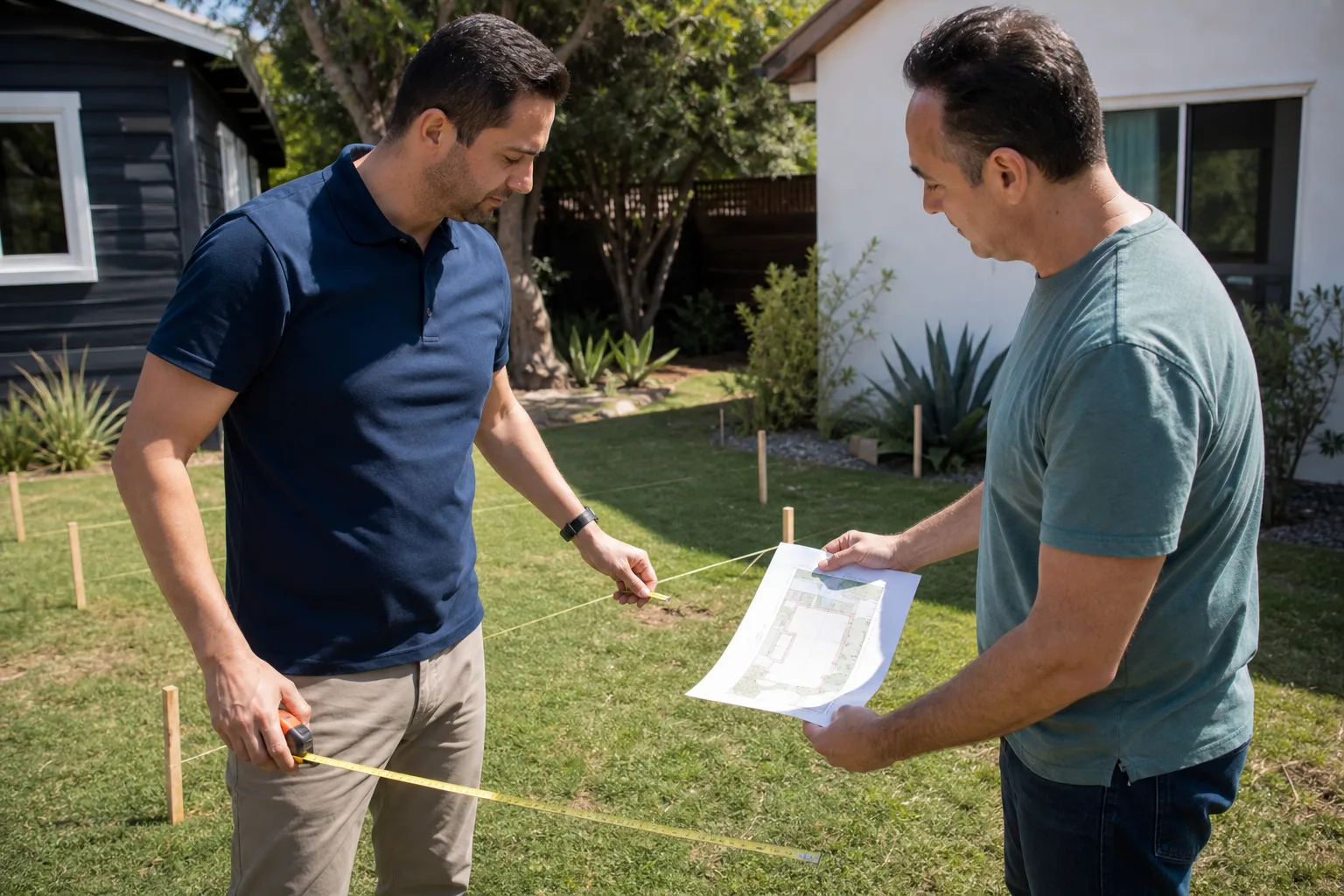
- Permit application paperwork: you can prepare the application package, gather documentation, and even meet with plan checkers, though a professional will know exactly what the city’s reviewers look for.
The line to remember: anything structural, electrical, plumbing, or mechanical belongs to a licensed professional, both for safety and for liability. The moment you’re touching a foundation, a roof, or a wire, you’ve crossed into territory where the savings aren’t worth the exposure.
What Acting as Your Own GC Actually Means Day to Day
Let’s demystify the owner-builder role, because it’s not just watching people work. When you’re your own GC, you are responsible for:
- Subcontractor coordination: hiring framers, electricians, plumbers, roofers, drywallers, painters, and flooring installers, then sequencing them so no one waits on anyone else. In San Francisco’s labor market, where good subs are booked weeks out, this alone kills schedules.
- Lien management: every subcontractor and material supplier has the right to file a mechanic’s lien against your property if they’re not paid. Professional GCs manage this through lien releases at every payment. Owner-builders learn this lesson the hard way when a lien appears at refinance or sale.
- Inspection scheduling: San Francisco’s Department of Building Inspection requires specific inspections at specific stages (foundation, framing, rough electrical, rough plumbing, insulation, final). Missing or failing one means stopping work until it’s resolved.
- Workers’ compensation verification: every sub you hire must carry workers’ comp insurance for their own crew. If they don’t and someone gets hurt, the injured worker can file against your homeowner’s policy, and more often than not, it’s denied, leaving you personally responsible.
- Safety compliance: job site safety, including fall protection for anyone working at height, dust control, and proper disposal of construction debris, all fall on the GC. These rules apply in San Francisco as strictly as anywhere in California, and the city inspects for them.
None of these individual tasks is rocket science. The cumulative weight is what overwhelms people who have jobs, families, and lives. And this is where the home addition contractor in San Francisco you choose matters more than the fee they charge: a good GC shoulders every one of these burdens so you don’t have to.
The Prefab Factor: How Factory-Built ADUs Change the DIY Equation
San Francisco has become one of the strongest markets in the country for prefabricated ADUs, and for good reason. Factory-built units from companies like Dvele, Mighty Buildings, and Plant Prefab arrive on site with much of the structural work already complete, which changes the owner-builder conversation significantly.
Here’s what prefab does and doesn’t solve:
- What it solves: the framing is done in a factory under controlled conditions, which reduces the number of on-site trade visits and simplifies inspections for the structural component. The factory handles much of what an on-site GC would normally coordinate.
- What it doesn’t solve: site preparation, foundation work, utility connections, and finish work still happen on your property, and those are exactly the tasks where owner-builder liability concentrates. The prefab company delivers the module, but someone has to prepare the site to receive it.
- The honest assessment: prefab reduces the complexity of the construction process, but it doesn’t eliminate the need for a licensed professional overseeing the on-site work. We work with several of these product lines regularly and can tell you from experience that the most common budget overruns on prefab ADUs in San Francisco come from site work surprises, not the unit itself.
Common Mistakes to Avoid
- Pulling an owner-builder permit without understanding workers’ comp exposure. A single injury on an uninsured job site can exceed the cost of the entire ADU. If you’re not prepared to verify coverage for every person who steps onto your property, you’re not prepared to be an owner-builder.
- Underestimating San Francisco’s plan review time. The city’s DBI is understaffed and ADU applications are prioritized, but even at full speed, plan review takes 2 – 4 months. Owner-builders often don’t account for this, and delays compound every subsequent step.
- Hiring subcontractors without checking their license status. California’s Contractors State License Board makes this easy to check, but few homeowners do it. In San Francisco, unlicensed work is more common than anyone wants to admit.
- Believing the insurance company will cover an owner-built structure. Most policies won’t, and finding out after the fact isn’t a fix – it’s a financial event. Read your policy before you start, not after the first claim.
- Skipping the soil report for a foundation. San Francisco’s varied geology, from sand dunes in the Sunset to bedrock in the hills, means foundation requirements shift block by block. This is not a place to guess.
- Assuming the prefab company handles everything. The factory builds the box. Your site is still your problem, and site work is where most hidden costs live.
- Not recognizing when a job exceeds owner-builder scope. Load-bearing changes, retaining walls, and seismic retrofits generally require licensed professionals, and the city will flag it during plan review.
When to Call a Professional
You should bring in a licensed contractor when your ADU involves any structural work, any garage conversion with seismic implications, any hillside lot with drainage concerns, or any scope that requires coordinating more than three trades. You should also call when you’d rather hand the liability, lien management, inspection scheduling, and workers’ comp responsibility to someone who carries those risks professionally. That’s what we do at Sutton ADU San Francisco – every project operates under the Threshold Standard, which means a written price before work begins, a 365-Day Done Right Promise covering completed work, and a crew you know by name and face before they arrive. We’ve been doing this in San Francisco since 2006. Call (831) 272-7212 for a free estimate and an honest conversation about your lot and your budget.
Frequently Asked Questions
Yes, California law allows homeowners to act as owner-builders for work on their primary residence, including ADU construction, as long as the work meets San Francisco building codes and you personally supervise anyone you hire. However, the legal right to pull the permit does not protect you from the liability of construction defects, injured workers, or insurance exclusions that apply to owner-built structures.
A detached ADU in San Francisco typically costs between $280,000 and $420,000 for a 400-square-foot unit with professional construction, with site work, foundation, and utility connections accounting for a significant portion of that total. Garage conversions generally run lower, starting around $180,000, while hillside lots and custom designs can exceed $500,000. Call (831) 272-7212 for a written quote on your specific lot.
In California, licensed contractors are required to provide a workmanship warranty for at least one year, and some, like Sutton ADU San Francisco, write that guarantee into the contract as a named promise covering defects for a full calendar year. Homeowner’s insurance covers sudden damage to insured structures, but it typically excludes construction defects on owner-built structures, which means the two protections cover fundamentally different risks.
Most garage conversions in San Francisco require a licensed contractor because the city’s seismic retrofit and soft-story requirements are stricter than state minimums, and plan reviewers will ask for engineering verification of structural changes. The owner-builder path is legally possible in some cases, but the structural and liability exposure makes it inadvisable.
With a professional crew, most ADU projects in San Francisco take 6 – 9 months from permit application to final inspection, though plan review alone can consume 2 – 4 months depending on the city’s caseload. Owner-builder projects usually run 9 – 14 months because of slower subcontractor scheduling and more frequent inspection rescheduling.
The 365-Day Done Right Promise from Sutton ADU San Francisco covers defects in workmanship for one full calendar year from project completion, and if any element of the build fails during that period, the company returns for a second visit at no cost to make it right. It’s a written guarantee stamped on every project, not a verbal assurance.
The Bottom Line
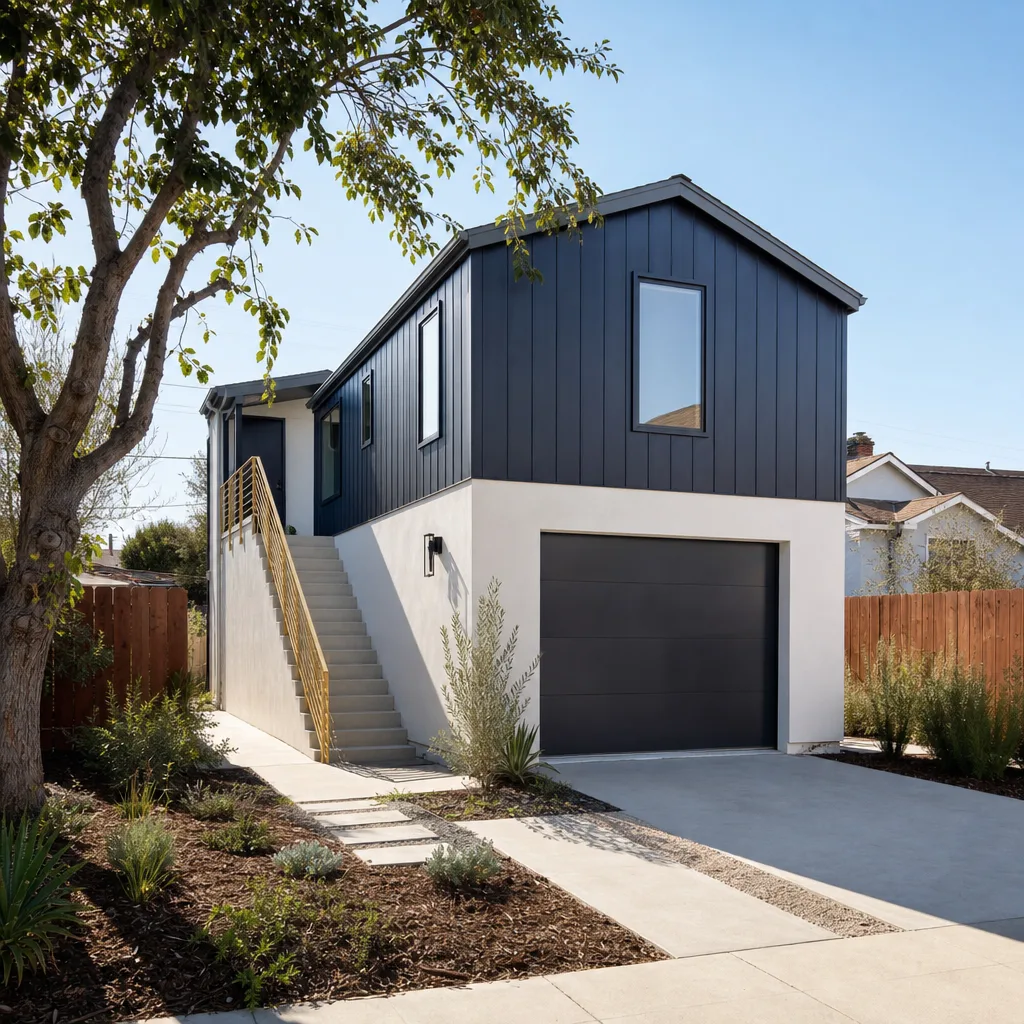
The DIY-versus-hire decision for a San Francisco ADU is not about your competence. It’s about your exposure. The owner-builder path is legal and can save real money when everything goes smoothly, but the insurance gap around structural work and the liability burden of coordinating licensed trades make it a high-stakes gamble for a structure you’ll live in, rent out, or sell. For most San Francisco homeowners, the smart move is to stay involved in the design and finish decisions while handing the structural, electrical, plumbing, and inspection work to a licensed team that carries the risk. That’s the balance we help homeowners strike every day, and it’s why we put every promise in writing before any work begins. Explore more guides & resources for San Francisco ADU owners.
Written by Miles Hartwell, Owner at Sutton ADU San Francisco, serving San Francisco since 2006.