Tuff Shed Junior ADU Conversion: The San Francisco Owner’s Guide
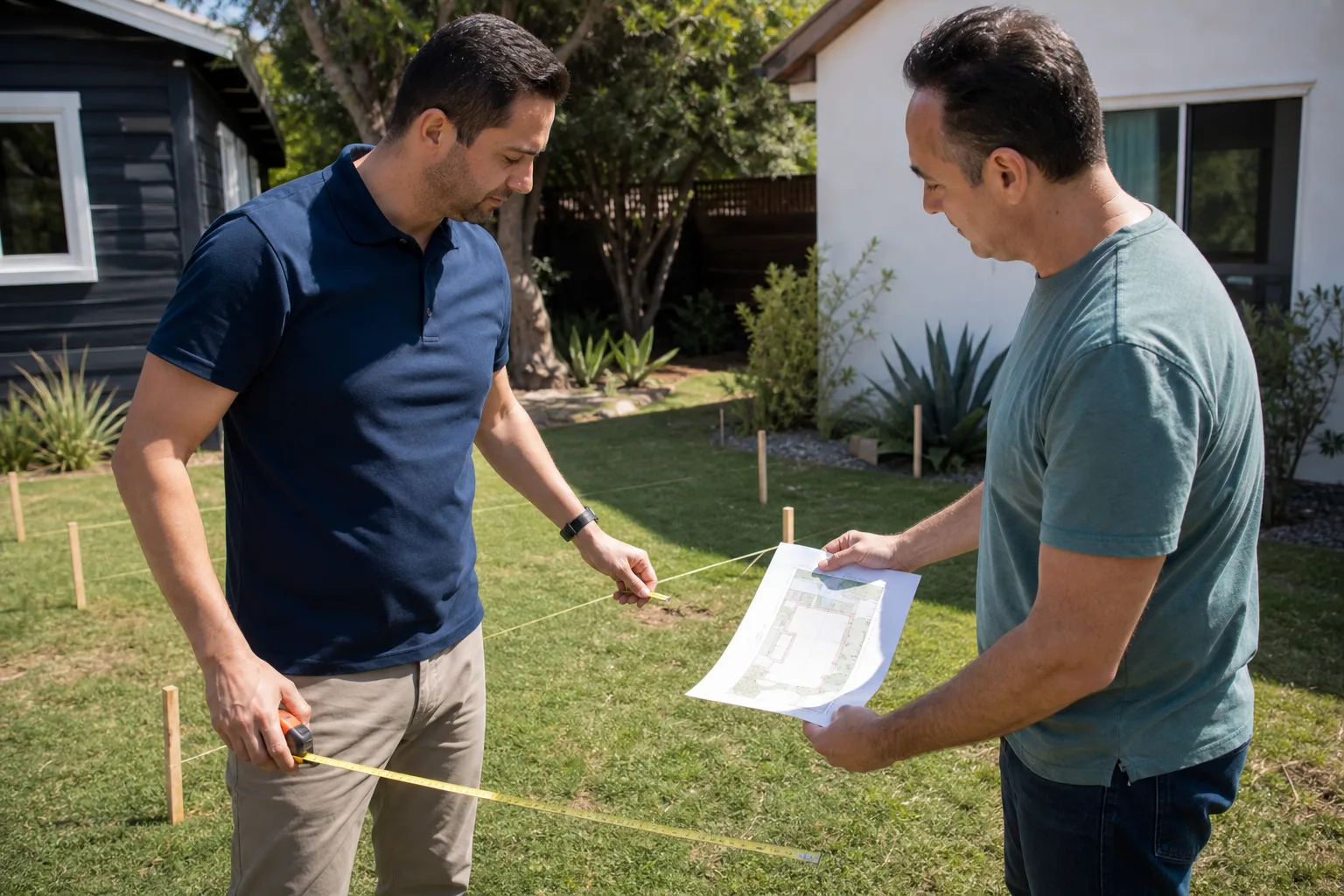
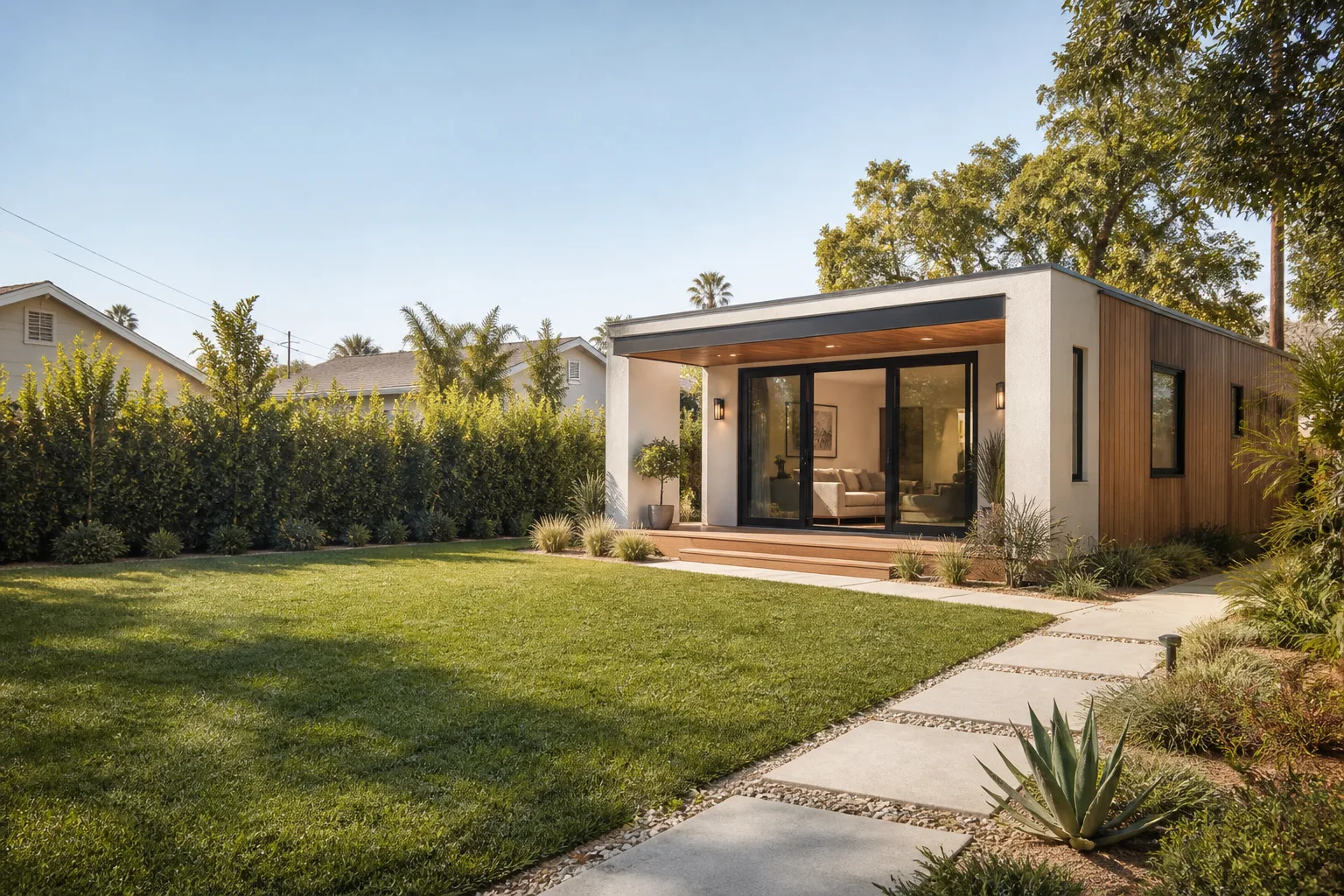
If you own a Tuff Shed and you’re looking into a junior ADU conversion in San Francisco, you’re dealing with a very specific set of challenges: floor framing that wasn’t originally engineered for living-space loads, wall assemblies that need upgraded insulation to meet California Title 24 energy code, and a foundation system that San Francisco’s building department will scrutinize before anything else. We stock and install the structural hardware, fasteners, and conversion components for Tuff Shed shells, and a typical junior ADU conversion in San Francisco runs $85,000 to $145,000 depending on site conditions, the shed’s current condition, and how much site work your particular lot demands. Most owners discover this scope when their Tuff Shed’s original floor joists show measurable deflection, or when the existing anchor hardware fails a required tie-down inspection.
We are an independent service provider, not affiliated with Tuff Shed. That independence matters when we’re honest about what a shed needs to legally become a dwelling in San Francisco.
Which Tuff Shed Models This Applies To
Tuff Shed produces two product families that show up in San Francisco backyards: the Premier Pro series (taller walls, engineered roof trusses) and the Sundance series (the original gable and barn-style lines). For a junior ADU conversion, the Premier Pro Tall Barn model is the one most San Francisco homeowners bring us, because its 7-foot-plus interior wall height gives you the headroom needed under the building code for a habitable space. Shorter Sundance models almost always fail the ceiling-height requirement unless you’re willing to modify the roof structure, which changes the project from a conversion into something closer to a rebuild.
The compatibility gotcha most people miss: Tuff Shed floor systems differ by region. Sheds sold in California’s coastal counties often ship with a 2×4 floor-joist package that the company warranties for storage loads only. For an ADU you’ll need 2×6 or larger joists at 12-inch on-center spacing, and if your shed has the lighter package, that floor has to come out and be rebuilt before you do anything else. Check the manufacturer’s label inside the door frame. If it lists a floor live-load rating under 40 pounds per square foot, you have the storage version. A habitable junior ADU needs 40 psf minimum live load, and most of the Tuff Sheds we see in San Francisco’s Sunset District, the Richmond, and around Twin Peaks don’t meet it as delivered.
On the OEM-versus-aftermarket question: Tuff Shed’s own hardware packs are fine, but they’re priced for the DIY market and often include fasteners not rated for the coastal wind exposure zones that cover much of San Francisco. We typically upgrade to Simpson Strong-Tie connectors for the shear and uplift elements, and we do it as part of the conversion, not as an extra line item negotiated later.
Signs Your Tuff Shed Junior ADU Conversion Is Failing
- Soft or bouncy floor underfoot. This means the original floor joists are overspanned or water-damaged. In San Francisco’s fog belt, condensation can sit on the underside of uninsulated shed floors for months, so what starts as minimal deflection becomes visible sag within two or three winters.
- Doors or windows stick, or the door frame is no longer square. Tuff Shed shells are designed to sit on pressure-treated skids or a simple pad. Once you add framing, insulation, and drywall, the added dry weight transfers unevenly. The door opening racking out of square is usually the first visible symptom of settlement that’s already compromised the original anchors.
- Visible cracking at the wall-to-floor junction, especially at the corners. Sheds in San Francisco are commonly anchored with wedge anchors or small straps. Under repeated wind loading near Ocean Beach or Bernal Heights, those fasteners work loose, and the corners start to open up. That’s a structural issue, not a cosmetic one.
- Musty smell or mold scent that comes back after cleaning. This points to a failed or missing vapor barrier under the shed floor. In San Francisco’s damp microclimates, a missing barrier means moisture wicks up through the flooring and into any finished interior surfaces you’ve added.
- The shed rocks slightly when you push on a wall from the outside. A properly anchored ADU shell should feel rigid. Any motion at all means the connection between the shed and its foundation has already failed or was never correctly sized. Don’t wait on this one. Once a wall can move, every seismic event, even the small ones, is working against every other connection in the structure.
Replacement Cost & What’s Included
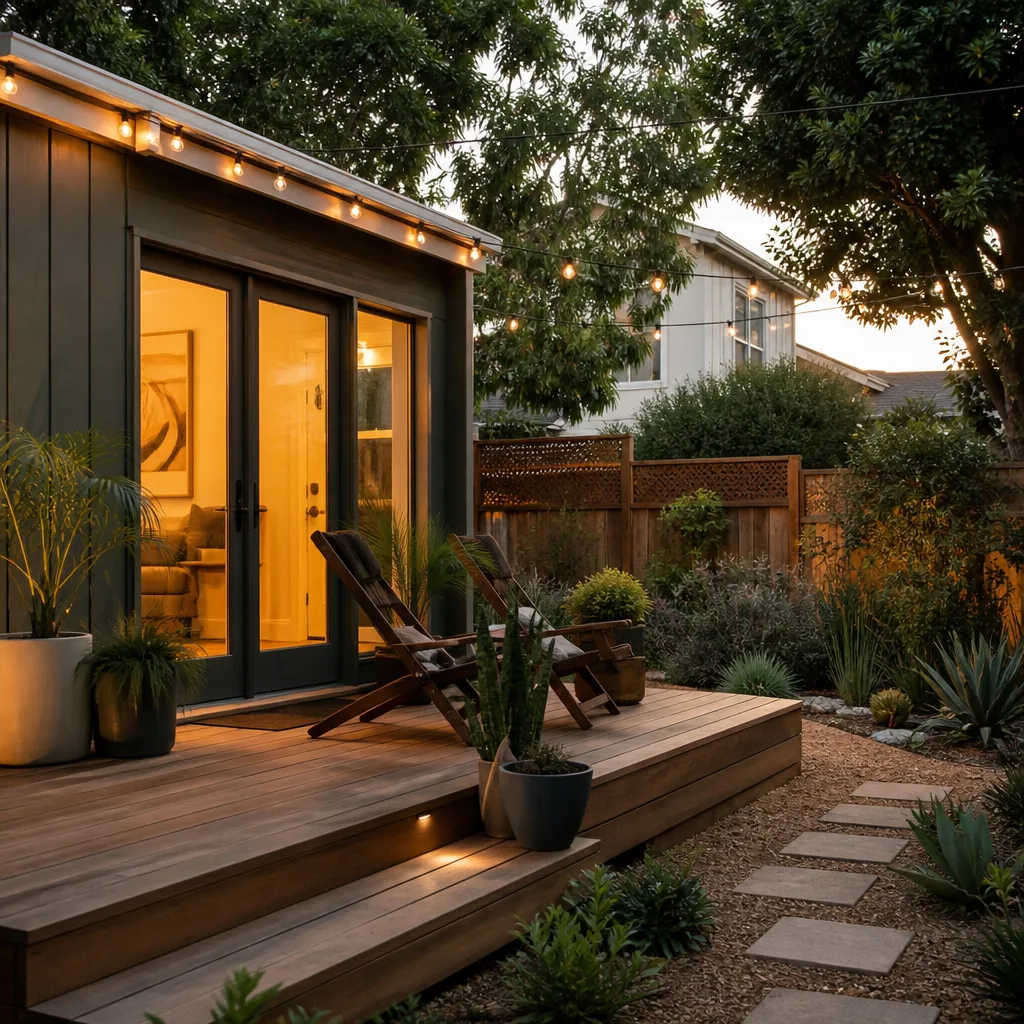
For a Tuff Shed junior ADU conversion in San Francisco where the floor system needs full replacement plus upgraded anchoring, budget $35,000 to $60,000 for that scope alone. That includes demolition of the existing shed floor, new 2×6 joists on 12-inch centers, new pressure-treated rim joists, a proper 6-mil vapor barrier, Simpson Strong-Tie holdowns and shear connectors at every required location, and reinstallation of the shell. If the foundation pad is cracked or was never rated for the load, add $8,000 to $20,000 for a new slab or concrete piers, depending on your soil and what San Francisco’s Department of Building Inspection requires.
The range exists because every San Francisco lot is different. A flat Sunset District pad with easy access is at the low end. A sloped Noe Valley site or a rear yard you can’t reach with equipment pushes toward the top. You get a written price before we start, and our 365-Day Done Right Promise covers everything we install or rebuild for one full calendar year from project completion. If an element fails in that window, we return and make it right, free of charge.
DIY or Call Us?
There are a few things you can safely check: the manufacturer’s label for the floor load rating, the condition of visible anchor bolts from the outside, and whether the door frame has a level reveal. Those observations help you understand what you’re facing.
What you should not do yourself is cut into or remove any Tuff Shed floor or wall framing without understanding what’s holding the structure together. A shed shell gains rigidity as a connected box. Removing siding, floor decking, or bottom plates in the wrong order can collapse a wall or rack the entire frame beyond repair. Same for attempting to replace anchor hardware while the shed is on the pad. That’s work we do with temporary bracing and in the right sequence, and it’s one of the more dangerous parts of the conversion because it involves getting under a structure that can settle suddenly. Call us at (831) 272-7212. We’ll walk you through what your specific shed needs, and the estimate is free.
FAQs
A properly rebuilt floor and anchoring system on a Tuff Shed shell in San Francisco should last 40 to 50 years under normal use, but you’ll want to inspect the vapor barrier and the exterior skirting every five years or so. The most common lifespan-limiting factor here isn’t the framing. It’s moisture getting trapped underneath.
Sometimes, but not often in San Francisco. We occasionally repair one or two damaged joists on a shed that was always stored on pavers with no watershed issues and no sign of rot spreading into the rim joists. But if the joists are the original 2×4 storage-rated package, repair doesn’t solve the load problem, and you’ll be pulling the whole floor out eventually. Call (831) 272-7212 and we’ll tell you straight.
A full Tuff Shed floor replacement with upgraded anchoring and seismic connectors in San Francisco typically takes five to eight working days. If we’re also pouring a new foundation pad, add another seven to ten days for concrete work and cure time before the shell can be reset. We’ll give you a written schedule before we start, and that schedule is part of your project file.
We keep the most-used structural components in stock at our San Francisco yard: Simpson Strong-Tie holdowns, shear-wall anchors, vapor barrier materials, and 2×6 pressure-treated lumber. Tuff Shed-specific trim and siding are special order, but we can match most profiles through local suppliers in the Bay Area. If you need a specific piece identified, call us and describe the profile, or send a photo with dimensions.
Call Sutton ADU San Francisco
If your Tuff Shed junior ADU conversion in San Francisco is showing signs of trouble, or if you’re planning a conversion and want to know before you buy whether the shed you’re looking at can actually pass code, call (831) 272-7212. We’ll ask about the model, the floor label, and your site conditions, then give you honest numbers. Miles Hartwell built his career giving homeowners a straight answer before any work begins, because a straight answer now saves a painful conversation later. The estimate is free, and someone answers the phone when you call.
Written by Miles Hartwell, Owner, Sutton ADU San Francisco at Sutton ADU San Francisco, serving San Francisco and nearby areas.