James Hardie Site Prep & Utilities: The San Francisco Owner’s Guide
If your James Hardie siding project is stalled because the site isn’t ready or the utility rough-ins don’t line up, we stock and install the full range of James Hardie-compatible site prep materials and utility components here in San Francisco, with most installations running $850 – $2,400 depending on slope, access, and what the existing utilities look like. Most owners discover they need this work after a failed inspection or when a previous contractor walked off leaving the lot half-prepped. You’ll typically see it as missing flashing channels, improperly graded perimeter drainage, or utility stubs set at the wrong depth for your foundation plan. We fix all of it, and we give you a written price before any work starts.
We’re an independent San Francisco contractor, not a James Hardie corporate entity, but we’ve worked with HardiePlank, HardiePanel, and HardieTrim systems on ADUs and additions across this city for years. Miles Hartwell, our owner, has been building in San Francisco long enough to know that site prep here isn’t a formality. It’s the difference between a siding job that lasts 30 years and one that needs rework in three.
Key takeaways:
- Typical installed cost for James Hardie site prep and utility work in San Francisco: $850 – $2,400
- Most jobs are completed in 1 – 2 days once materials are on site
- We send a written price before work begins, and every technician is background-checked, identity-verified, and photo-badged under the Threshold Verified standard
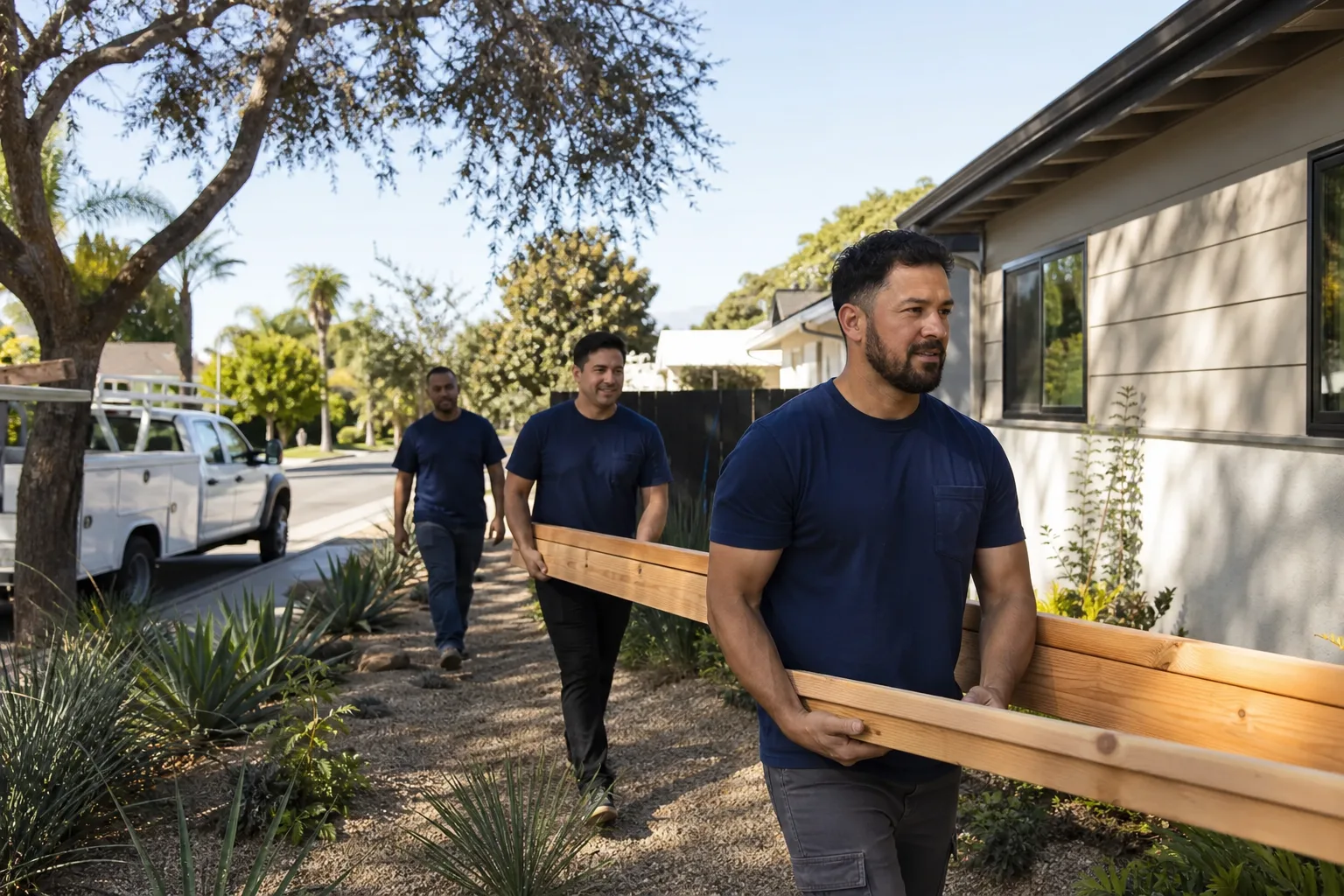
- We stock flashing, drainage board, WRB, and utility chase components compatible with James Hardie systems on our trucks
- Call (831) 272-7212 for a free estimate on your specific lot conditions
Which James Hardie Models This Applies To
Site prep and utility work doesn’t change much across James Hardie product lines, but there are compatibility gotchas worth knowing. HardiePlank lap siding requires a flat, properly flashed substrate with a rainscreen gap in most San Francisco climate zones, especially in fog-heavy neighborhoods like the Sunset or Richmond districts where moisture hangs around. HardiePanel vertical siding is more forgiving on minor wall irregularities but demands precise flashing at panel joints. HardieTrim boards need solid backing at every seam, which means your framing or furring strips have to be straight before the trim goes up.
Here’s the identification trick we use on every job: look for the mill certification stamp on the back of the board or on the packaging label. It lists the product line, the thickness (typically 5/16″ for lap, 7/16″ for panel), and the manufacturing plant code. That code matters because plant-specific color lots can vary slightly, and if you’re patching rather than replacing, you want boards from the same plant and production window. For aftermarket flashing and WRB components, we stick with manufacturers whose specs match James Hardie’s installation requirements rather than generic big-box alternatives. The savings on cheap flashing are not worth a voided warranty claim.
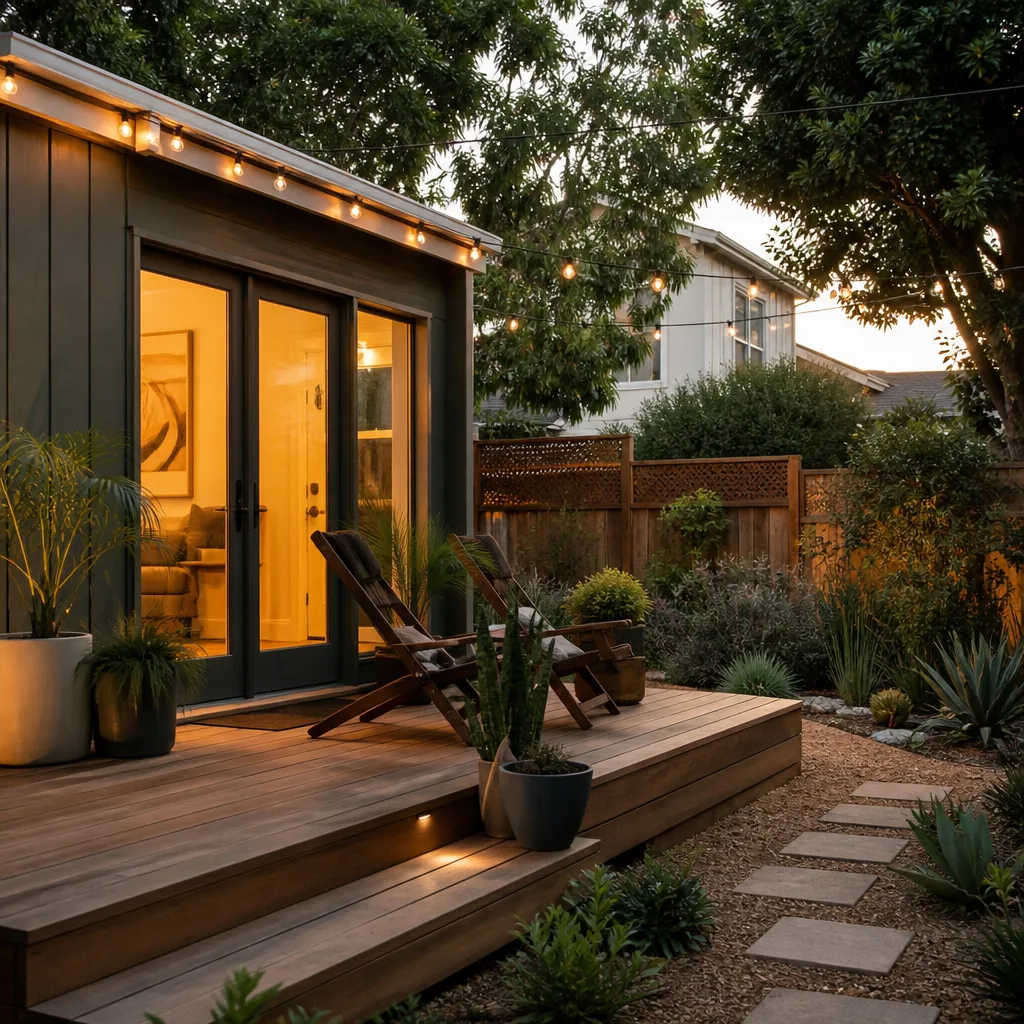
We also work with Abodu, Cover, and Dvele prefab units, where site prep and utility layout have to be dialed in before the module arrives. If your James Hardie-clad prefab is sitting in a yard waiting on your San Francisco lot to be ready, that’s exactly the kind of project we handle regularly.
Signs Your James Hardie Site Prep & Utilities Is Failing
- Water staining at the bottom edge of installed siding. This almost always means the perimeter drainage or flashing was never installed correctly. In San Francisco’s wet winters, water wicks up behind the siding and sits against the sheathing. The fix is pulling the bottom course, correcting the grade or flashing, and reinstalling.
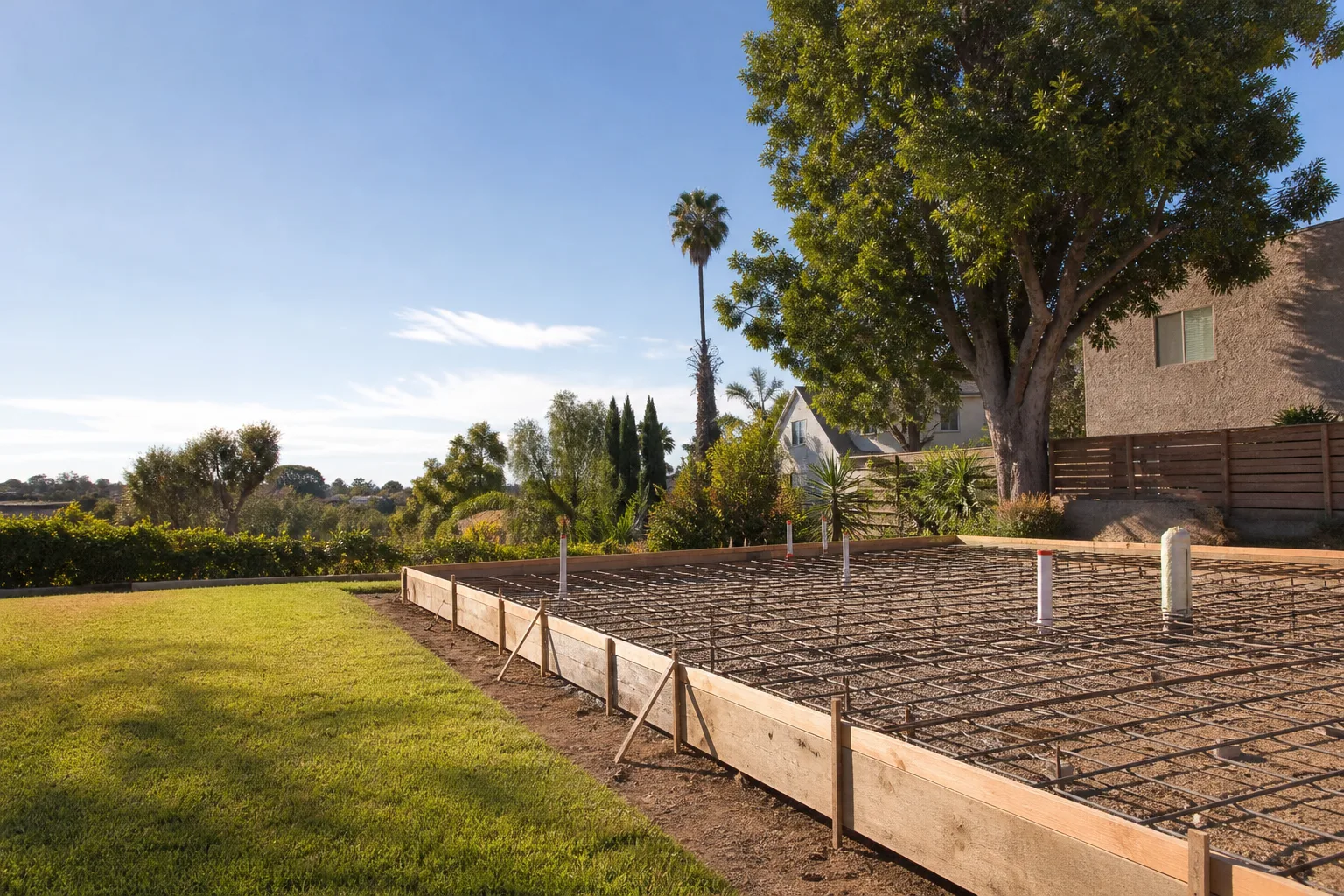
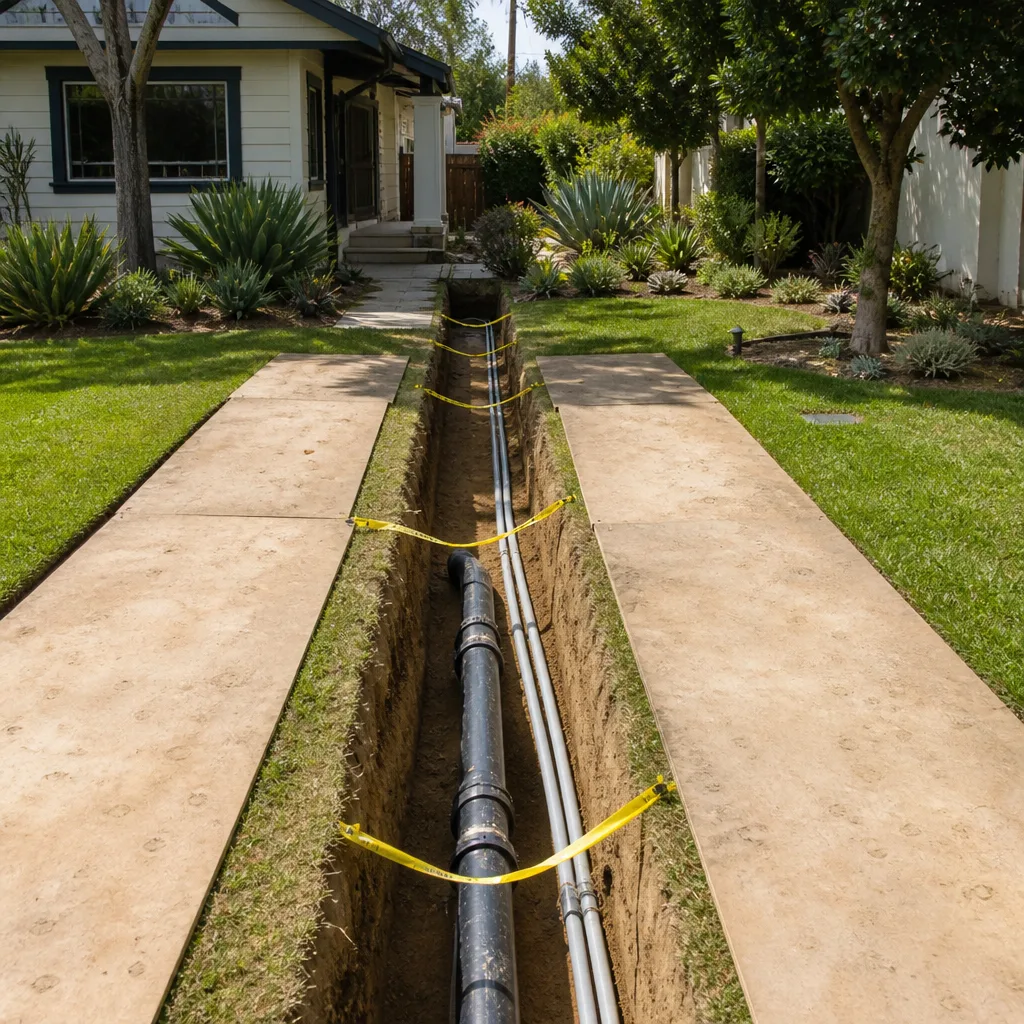
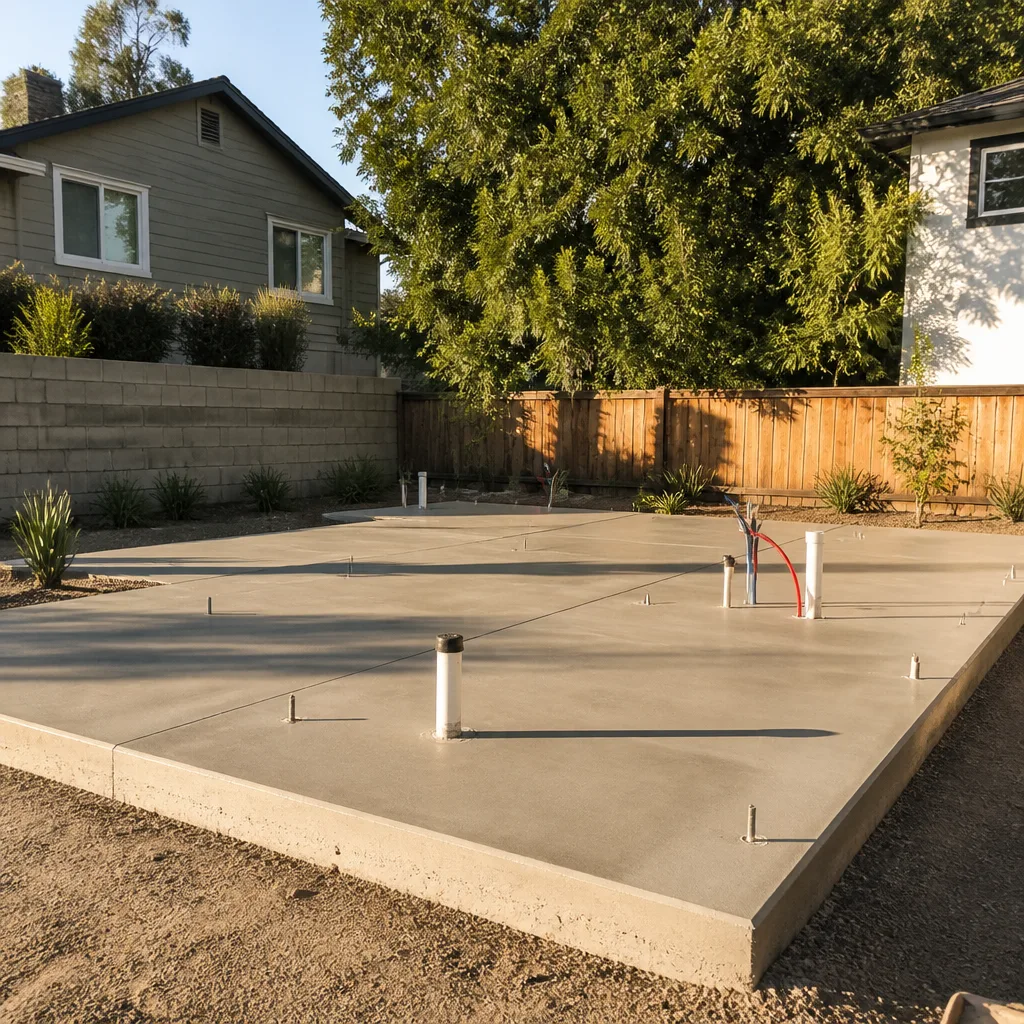
- Utility stub-outs don’t align with your foundation or wall layout. If your electrical, water, or gas stubs are off by more than an inch or two from where the plans say they should be, your siding installer will have to work around them, which creates awkward cuts and potential leak points. Correction means trenching and repositioning before the siding goes on.
- Wavy or uneven wall plane behind the siding location. HardiePlank will telegraph every dip and bump in the framing or furring. If you sight down the wall and see more than 1/4″ of variation over 8 feet, the substrate isn’t ready. We plane, shim, or reframe as needed before any Hardie product gets fastened.
- Missing or improperly lapped weather-resistant barrier (WRB). James Hardie specifies a particular WRB installation sequence, and if it’s wrong, moisture gets trapped. In San Francisco’s marine air, that trapped moisture becomes mold within a season or two.
- Standing water against the foundation after rain. This is a site grading problem, not a siding problem, but it destroys the bottom of any siding system. We regrade, add drains, or install surface water management so the siding starts from a dry baseline.
Replacement Cost & What’s Included
In San Francisco, expect to pay between $850 and $2,400 for James Hardie site prep and utility corrections on a typical ADU or single-wall project. Here’s what drives that range:
- Access and slope: A flat lot in the Outer Sunset with street-level access is the cheapest scenario. A hillside lot near Twin Peaks or Diamond Heights with retaining walls and no room for equipment runs higher.
- Utility work depth: Moving an electrical stub that’s 6 inches off is a quick fix. Relocating a gas line or sewer rough-in that’s 3 feet off means trenching, permits, and inspection time.
- Existing conditions: If the previous contractor left rotten sheathing or destroyed the WRB, remediation adds cost before new prep can start.
- Material choices: Standard flashing and drainage components are affordable. Premium rainscreen systems or custom metal flashings add $300 – $600 on a typical project.
Every quote includes parts, labor, haul-away of debris, and a written line-item breakdown so you know exactly what you’re paying for. Our work carries the 365-Day Done Right Promise: if anything we installed fails within a full calendar year, we come back and make it right at no charge. That’s in writing, not spoken.
DIY or Call Us?
You can safely handle a few site prep items yourself. Clearing vegetation, removing old caulk or paint from a substrate, and flagging utility stub locations are all reasonable homeowner tasks. You can also verify that your lot drains away from the foundation by watching where water pools after a hard rain. That’s useful information for any contractor.
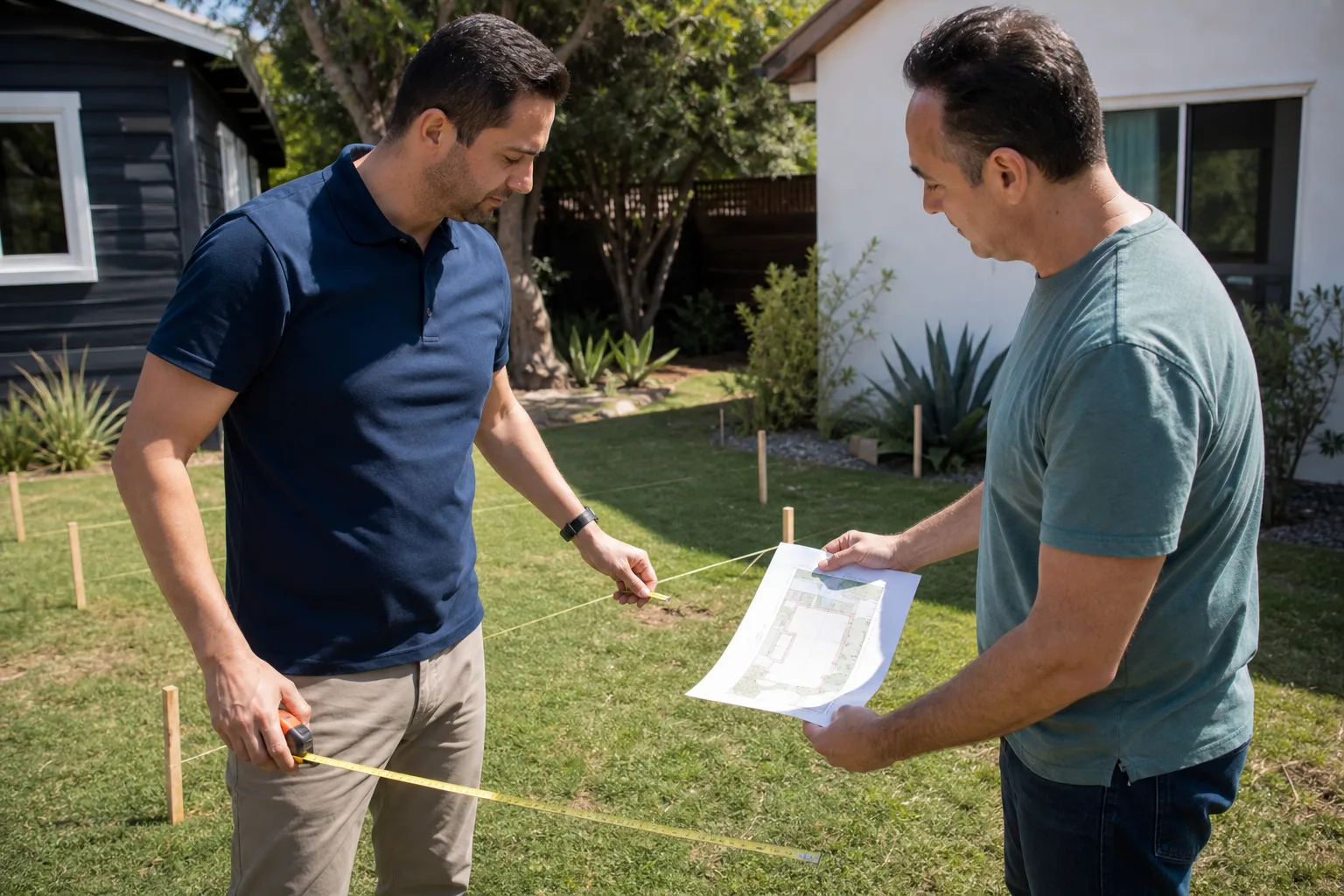
What you should not DIY is anything involving gas lines, electrical rough-ins, or structural shimming. Working around live utilities without proper training is genuinely dangerous, and San Francisco permitting rules won’t accept homeowner work on most utility relocations. We’ve seen too many owners try to move a gas stub themselves to save a few hundred dollars and end up with a red-tagged line and a three-week delay. Call (831) 272-7212 before you touch anything connected to a utility. You’ll get a straight answer, and estimates are free.
FAQs
Properly installed site prep, flashing, and drainage should last the life of your siding system, typically 25 – 30 years for James Hardie products in San Francisco’s climate. The weak points are always the transitions: where flashing meets windows, where grade meets foundation, where utilities penetrate the wall. We inspect every transition before we call the job done.
It depends on what failed. Isolated flashing failures or minor grading issues are repairable. If the WRB was never installed correctly or the grade across an entire wall is wrong, you’re looking at a more complete redo. We’ll tell you which one you have after an inspection, and we won’t sell you a full replacement if a targeted repair will hold. Call (831) 272-7212 for an honest assessment.
Most San Francisco projects take 1 – 2 days on site once materials are delivered. Utility relocations that require city inspection can add 3 – 7 days for the permit and inspection cycle, but the actual work is usually done in a day. We sequence the inspection with our own work so you’re not waiting on us.
Yes. Our trucks carry flashing, WRB, drainage composites, sealants, and utility chase components that meet James Hardie installation specs. For unusual lot conditions or custom metal flashing, we order from local San Francisco suppliers and typically have materials within 2 – 3 business days.
If your James Hardie project in San Francisco is sitting on an unready site, call (831) 272-7212 for a free estimate. We’ll send Miles or one of our Threshold Verified technicians to walk the lot, give you a written price, and tell you exactly who will be doing the work before anything gets started. A straight answer now saves a painful conversation later.
Written by Miles Hartwell, Owner, Sutton ADU San Francisco at Sutton ADU San Francisco, serving San Francisco and nearby areas.