James Hardie Junior ADU Conversion: The San Francisco Owner’s Guide
Most James Hardie junior ADU conversion projects in San Francisco run between $85,000 and $155,000 for a completed standalone unit, including HardiePlank lap siding, HardiePanel vertical siding, or HardieBacker substrate where your existing structure needs repair before conversion. The part most owners call us about first isn’t the siding itself, it’s the rotted trim, failed flashing, or water-damaged HardieBacker behind it. Symptoms usually start small: a soft spot near the foundation, a trim board that’s swelling at the corner, or caulk lines that keep cracking no matter how many times you re-seal them.
You’re not alone in this. San Francisco’s fog, salt air, and hillside drainage patterns shorten the lifespan of any exterior system, and James Hardie products, while genuinely good, aren’t immune to bad installation. We stock the most common James Hardie replacement parts in our San Francisco warehouse and can match your existing profile, texture, and color on a second visit if we can’t identify it from photos first.
Which James Hardie Models This Applies To
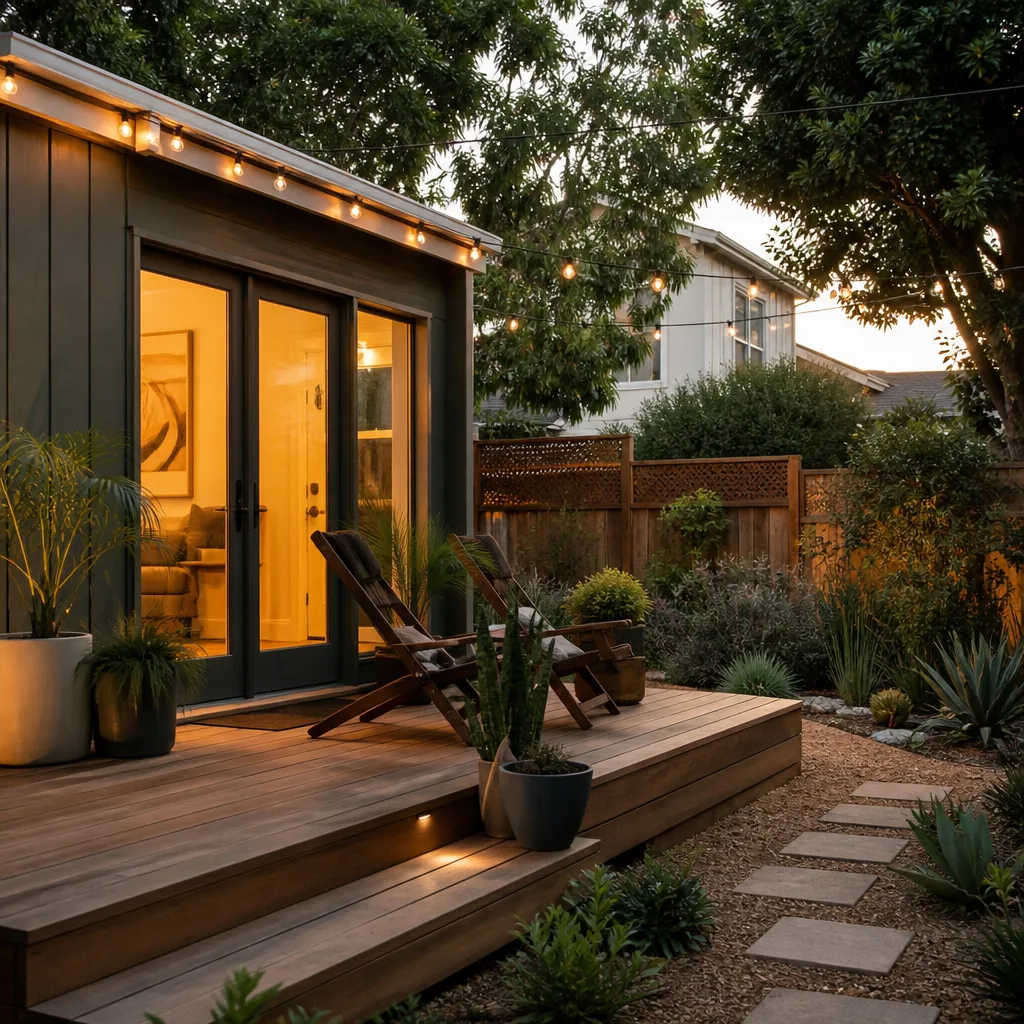
If your junior ADU or garage conversion uses James Hardie siding, you almost certainly have one of three product lines: HardiePlank lap siding (the horizontal boards, typically 5/4″ x 6″, 7-1/4″, or 8-1/4″ exposure), HardiePanel vertical siding (the 4′ x 8′, 4′ x 9′, or 4′ x 10′ sheets, often with Sierra 8 or Stucco texture), or HardieTrim/HardieSoffit boards around windows, corners, and eaves. The junior ADU conversion angle matters because many San Francisco garages and underused rooms being converted were originally finished with whatever was cheapest, and matching Hardie product to an older installation requires checking the board width, the overlap, and the texture profile, not just the color.
Here’s the compatibility gotcha most homeowners learn the hard way: HardiePlank from 2015 and earlier doesn’t match the color of today’s factory finishes perfectly. James Hardie reformulated their ColorPlus technology over the years, so even if you know the color name, a new board can look slightly off from your existing wall. We carry both current stock and the older formulation inventory when we can source it, and we’ll tell you honestly if a full repaint of one elevation makes more sense than a patch job. For the record: Sutton ADU San Francisco is an independent contractor, not affiliated with James Hardie, and we’ll recommend aftermarket equivalents only when they genuinely match or outperform the OEM part, never just because the margin is better.
Signs Your James Hardie Junior ADU Conversion Is Failing
- Swelling or softness at the bottom edge of siding boards. This is almost always water wicking up from grade contact or a missing kickout flashing. San Francisco’s winter rain makes this worse on north-facing walls where siding never fully dries. The fix is usually removing the damaged board, adding proper flashing, and sealing the gap.
- Caulk cracking or pulling away at board joints and window corners. James Hardie products expand and contract with temperature and moisture. If the original installer used the wrong caulk or didn’t leave the required gap, the joint fails within two or three years. We see this constantly on converted garages in the Sunset District where wind-driven rain tests every seam.
- Dark streaks or staining below window sills. This means water is getting behind the siding, not just on it. By the time you see the stain, the HardieBacker or structural framing behind it has been wet for a while. This needs more than a surface patch, it needs us to open the wall and replace what’s damaged behind the siding.
- Paint peeling in a consistent horizontal band, not random spots. HardiePlank holds factory paint well, but if moisture gets trapped behind the board from a missing housewrap or improper overlap, the paint lets go in that exact strip. This points to an installation error from the original conversion, not a product failure.
- Cracks at inside corners where two walls meet. On hillside lots in San Francisco, soil movement and drainage issues put stress on the framing, which transfers to the siding. A hairline crack might be cosmetic, but a widening one means the structure is shifting and the siding is telling you something structural.
Replacement Cost & What’s Included
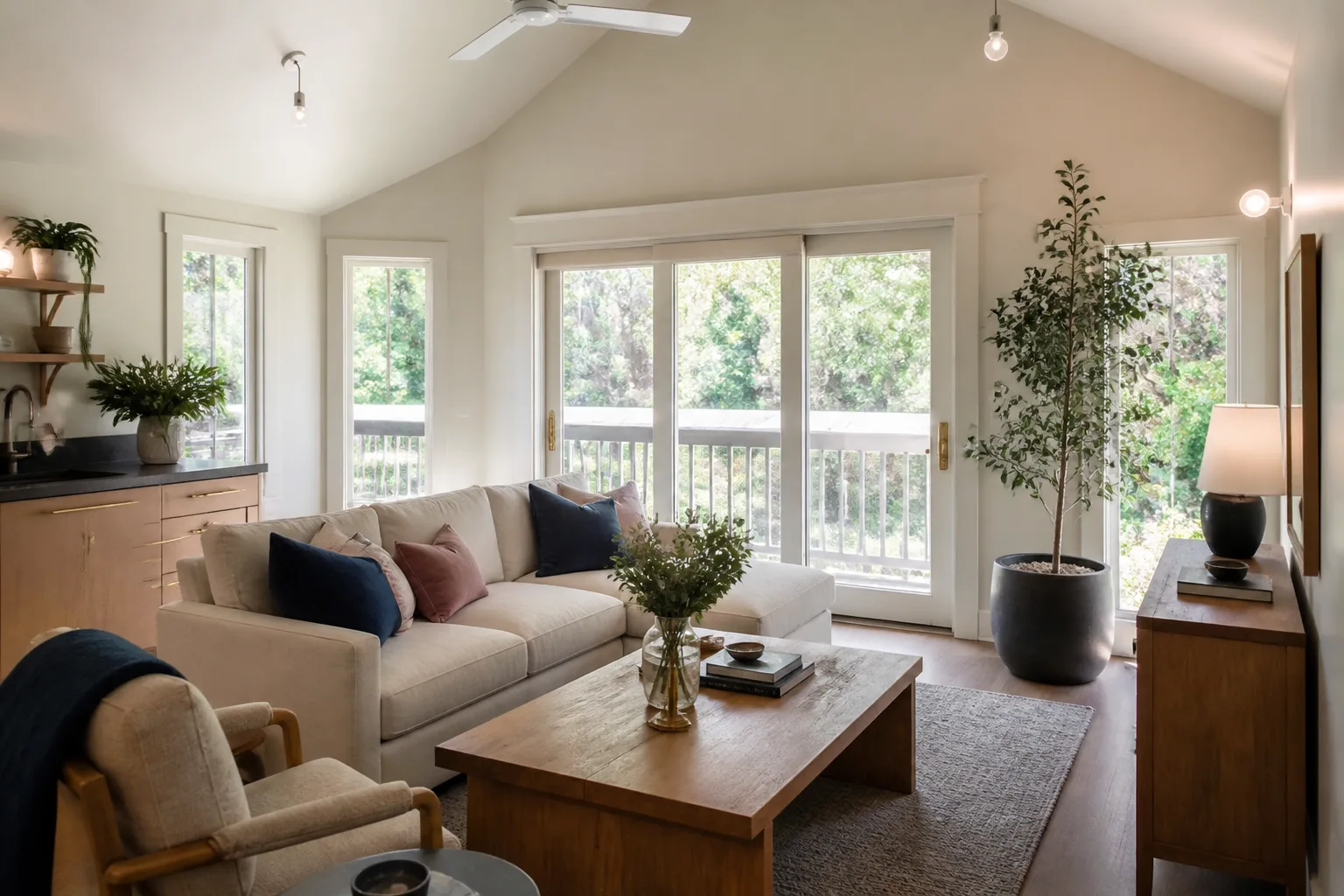
For a typical James Hardie repair on a junior ADU conversion in San Francisco, here’s what we quote:
| Scope | Typical Range | What It Includes |
|---|---|---|
| Single board replacement (HardiePlank lap, one or two boards) | $450 – $800 | Removal, flashing check, new board cut and matched, caulk, touch-up paint |
| Trim and corner board replacement (window, door, or eave) | $600 – $1,200 | New HardieTrim, proper gaps, sealed joints, paint match |
| Water damage repair behind siding (HardieBacker or framing exposed) | $1,500 – $4,500 | Open wall, replace wet substrate, new housewrap, reinstall siding, finish |
| Full elevation re-side (one wall of the junior ADU) | $8,000 – $18,000 | All old siding off, flashing and housewrap replaced, new Hardie product installed, primed and painted |
The range exists because every San Francisco lot is different. A ground-floor garage conversion in the Richmond District with easy access costs less than a hillside unit near Twin Peaks with zero staging room and stairs. Every quote includes the same thing: a written price before we start, the 365-Day Done Right Promise covering workmanship for a full calendar year, and a free second visit if anything we installed fails. Miles Hartwell doesn’t do change orders. The price we hand you is the price you pay.
DIY or Call Us?
You can check a few things safely: look for gaps between siding boards and trim, press gently on suspect areas near the ground with the handle of a screwdriver to feel for softness, and clear any soil or mulch that’s built up against the siding. That’s useful information for us, and it’s yours to gather without risk.
What we’d rather you not do is open a wall or remove siding yourself. Once you pull a board, you’re committing to whatever you find behind it, and on a converted San Francisco garage or second unit, the framing behind HardieBacker can be original 1950s lumber that’s spent decades getting wet. Wrong flashing placement or an improper overlap creates exactly the problem you’re trying to fix, just a year from now instead of today. If you’re seeing any of the signs above, call (831) 272-7212. We’ll give you our honest read over the phone and a written price before anything gets touched.
FAQs
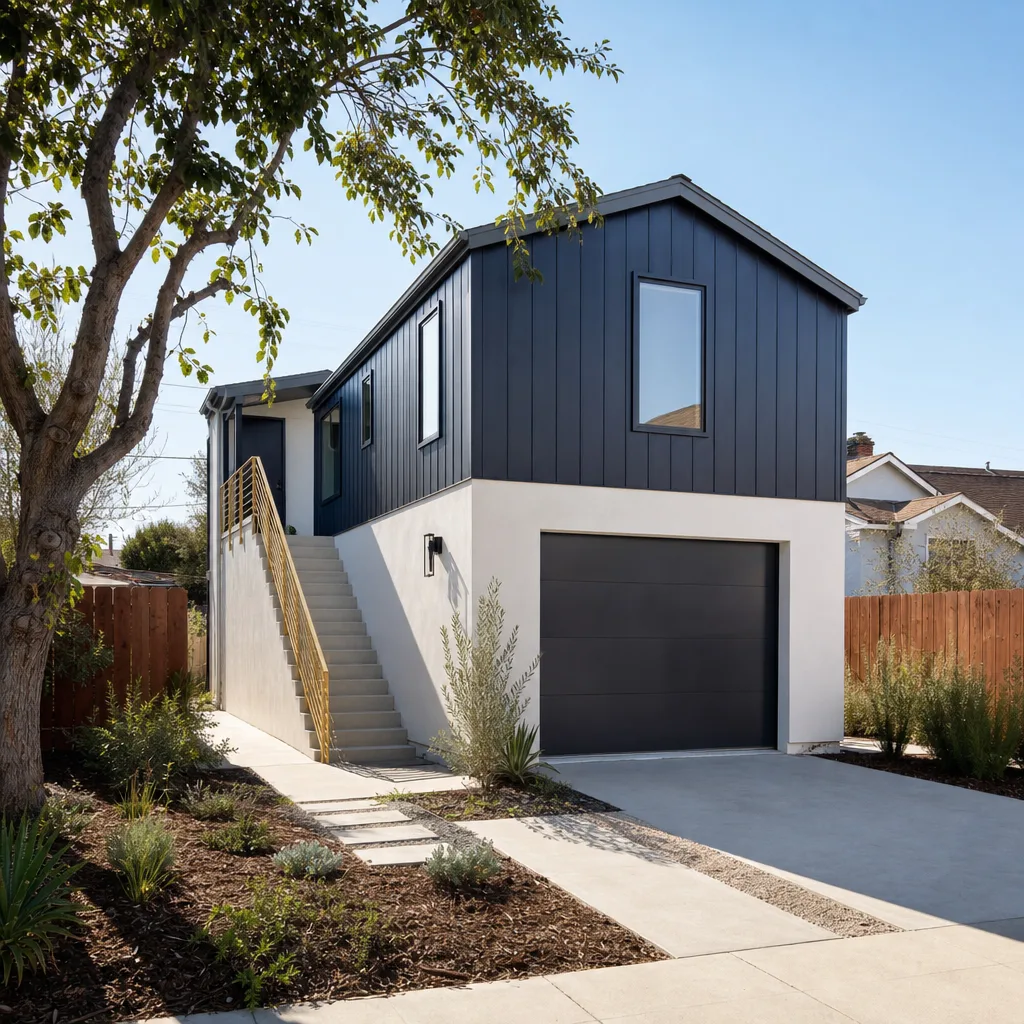
HardiePlank and HardiePanel carry a 30-year limited transferable product warranty from James Hardie, but in San Francisco’s coastal climate, the practical lifespan before you need real work is 15 to 25 years, depending on elevation, sun exposure, and installation quality. Fog-bound west-facing walls in the Outer Sunset or Outer Richmond age faster than sunny south-facing slopes in Noe Valley. The 365-Day Done Right Promise from Sutton covers our workmanship, not product defects, and we’ll walk you through the difference when we quote. Call (831) 272-7212 if you’re unsure which one you’re dealing with.
Yes, when the damage is isolated to one or two boards and the substrate behind them is dry, a board-level repair is the honest fix. When water has been getting behind the siding for more than a season, or when the original installation lacked proper flashing, patching just hides the problem and guarantees a bigger bill later. We’ll tell you which situation you’re in, and our quote covers what’s actually needed, not what’s easier to sell.
A single board replacement is a same-day job. Trim replacement at several windows or corners usually takes one to two days. A full elevation re-side of one wall on a junior ADU runs two to four days, depending on what we find when the old siding comes off. San Francisco weather windows between November and March add a day or two on exposed sites. You’ll get a realistic timeline on your written quote before any work starts.
We keep the most common HardiePlank profiles, trim sizes, and HardieBacker sheets in our San Francisco inventory, and we also work regularly with Abodu, Cover, and Dvele ADU systems when their exterior panels need matching. If your specific texture or profile isn’t on the truck, we measure, photograph, and source it, usually within a week. A straight answer now saves a painful conversation later, so call (831) 272-7212 with a photo and we’ll tell you what you’re looking at.
Written by Miles Hartwell, Owner, Sutton ADU San Francisco at Sutton ADU San Francisco, serving San Francisco and nearby areas.