Abodu Room Addition Contractor in San Francisco: What to Know First
If you own an Abodu unit in San Francisco and need a room addition, you’re looking for a contractor who understands the modular build itself, not just the drywall and trim. Sutton ADU San Francisco provides independent Abodu room addition work across the city, typically completing standard additions in three to six weeks depending on permit status and foundation conditions. Most Abodu additions in San Francisco run between $60,000 and $140,000 before design fees, with the final number driven primarily by foundation type, site access, and how much of the existing envelope we need to modify.
This page is for Abodu owners who want straight answers about expanding their unit: what breaks, what it costs, how long it actually takes, and who shows up at the door. Miles Hartwell and our crew have been working Bay Area ADU projects for over a decade, and we’ve seen enough Abodu units in San Francisco to know exactly where they resist modification and where they cooperate. Call (831) 272-7212 for a written estimate.
Key Takeaways
- We’re an independent Abodu service provider in San Francisco, not a manufacturer-authorized shop. That means we make decisions based on your budget and your lot, not a corporate parts pipeline.
- Abodu additions start around $60,000 and climb from there. Foundation work, seismic requirements, and San Francisco permit fees are the three biggest cost drivers.
- Every job gets a written price before work begins, and every completed project carries the 365-Day Done Right Promise in writing.
- The person who shows up at your door is background-checked, identity-verified, and photo-badged. You get their name and photo before they arrive.
How Abodu Products Fail – and How We Fix Them
Abodu builds a solid modular shell. But room additions introduce a different set of stresses than the original factory assembly, especially on San Francisco hillsides and in fog-heavy neighborhoods like the Sunset and Richmond districts. Here are the failure points we see most often when adding onto Abodu units:
- Wall-to-roof junction leaks at the addition seam. The original Abodu roofline uses a continuous membrane system that works fine until you cut into it. We regularly find water intrusion at the transition point between the factory-built roof and a site-built addition, particularly in the fog belt where moisture sits on roofing surfaces for months. Our fix is a full seam re-flashing with a membrane lap that extends 18 inches past the original factory edge, not just caulk.
- Foundation differential settlement between the original module and the addition. Abodu units sit on a steel chassis or pier foundation depending on the series. When you add a stick-built room with a poured concrete foundation, the two structures move at different rates on San Francisco’s expansive clay soils, especially in the Mission and Noe Valley. We see drywall cracks at the transition within the first two wet seasons. We install movement joints at the connection point and, where soil conditions warrant it, recommend a deeper pier system for the addition.
- Electrical panel capacity lockout. Many older Abodu units shipped with a 100-amp panel sized for the original square footage. Adding a room with a bathroom or kitchenette frequently means you need 125 or 150 amps, but the modular chase design makes pulling new service lines trickier than a conventional home. We know which Abodu floor plans allow panel swaps without opening walls and which require a strategic surface-mount run.
- Window flashing failures on the factory side. When we frame an addition that relies on an existing Abodu window as part of the new thermal envelope, we often find the original window flashing was never designed to handle a second roofline dumping water onto it. On a recent job near Twin Peaks, the original awning window above the kitchen was collecting runoff from the new addition roof and leaking into the wall cavity within a year. We re-flashed with a pan system and head flashing that redirects water away from the factory seal.
- Stucco cracking at the Abodu-to-addition interface. Abodu’s exterior finish expands and contracts differently than the smooth-coat stucco commonly used on San Francisco additions. Without a control joint at the transition, you get a vertical crack down the exterior within a season or two. We cut the joint before we start and hide it behind a trim detail that actually looks intentional.
Our Abodu Room Addition Contractor Process
Here’s how a typical Abodu addition goes when you hire us:
- 1
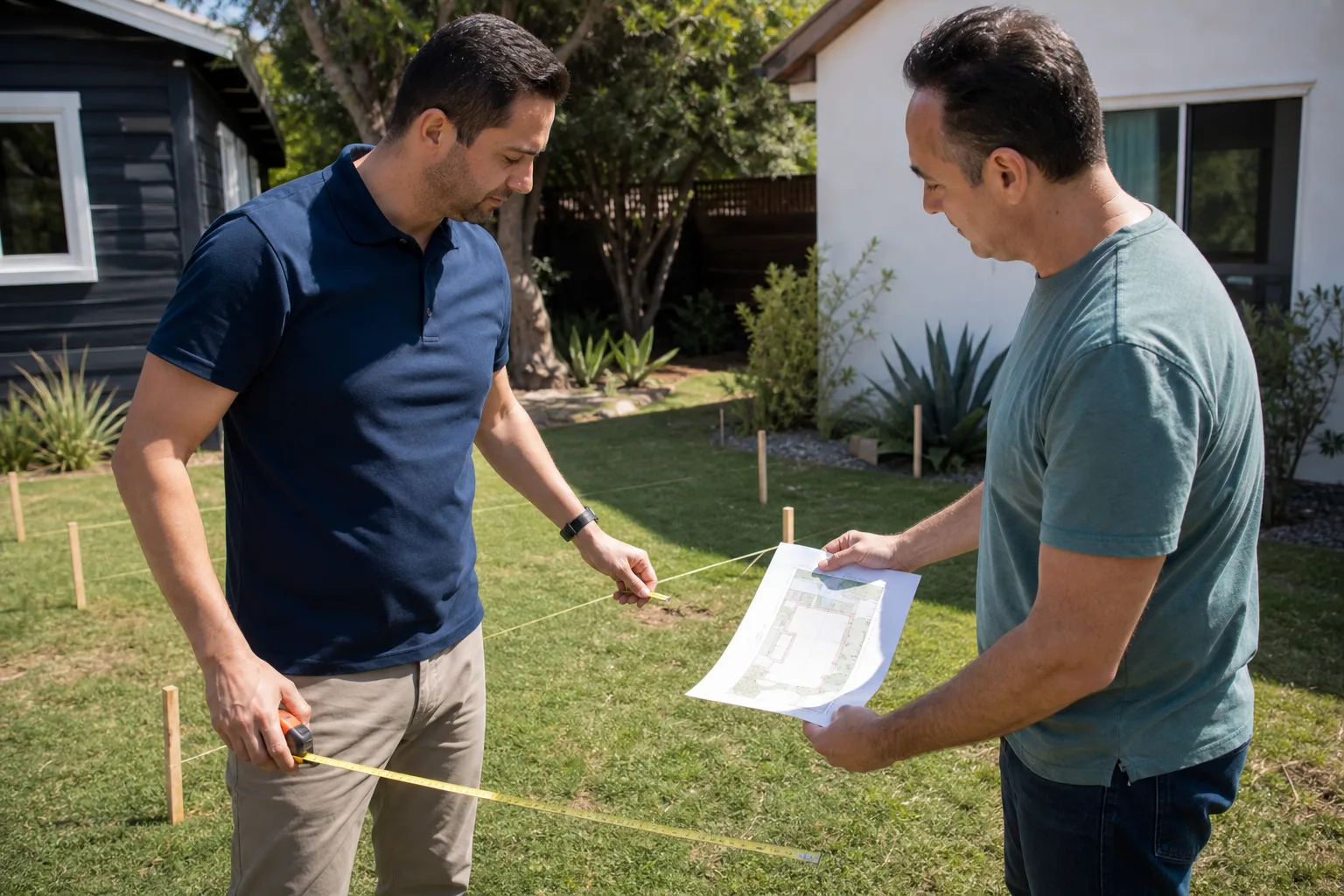
Call and site walk. You reach a live person at (831) 272-7212. We schedule a visit to look at your Abodu unit, the lot, the setback (the required gap between your structure and the property line), and the foundation. This first visit is free.
- 2
Written scope and price. We give you a line-item written estimate before any work starts. No verbal range and a shrug. The price you see is the price you pay unless you change the scope.
- 3
Permit pull. San Francisco’s building department has its own rhythms, and we’ve learned to work with them rather than fight them. We pull permits, schedule inspections, and keep you posted on timing.
- 4
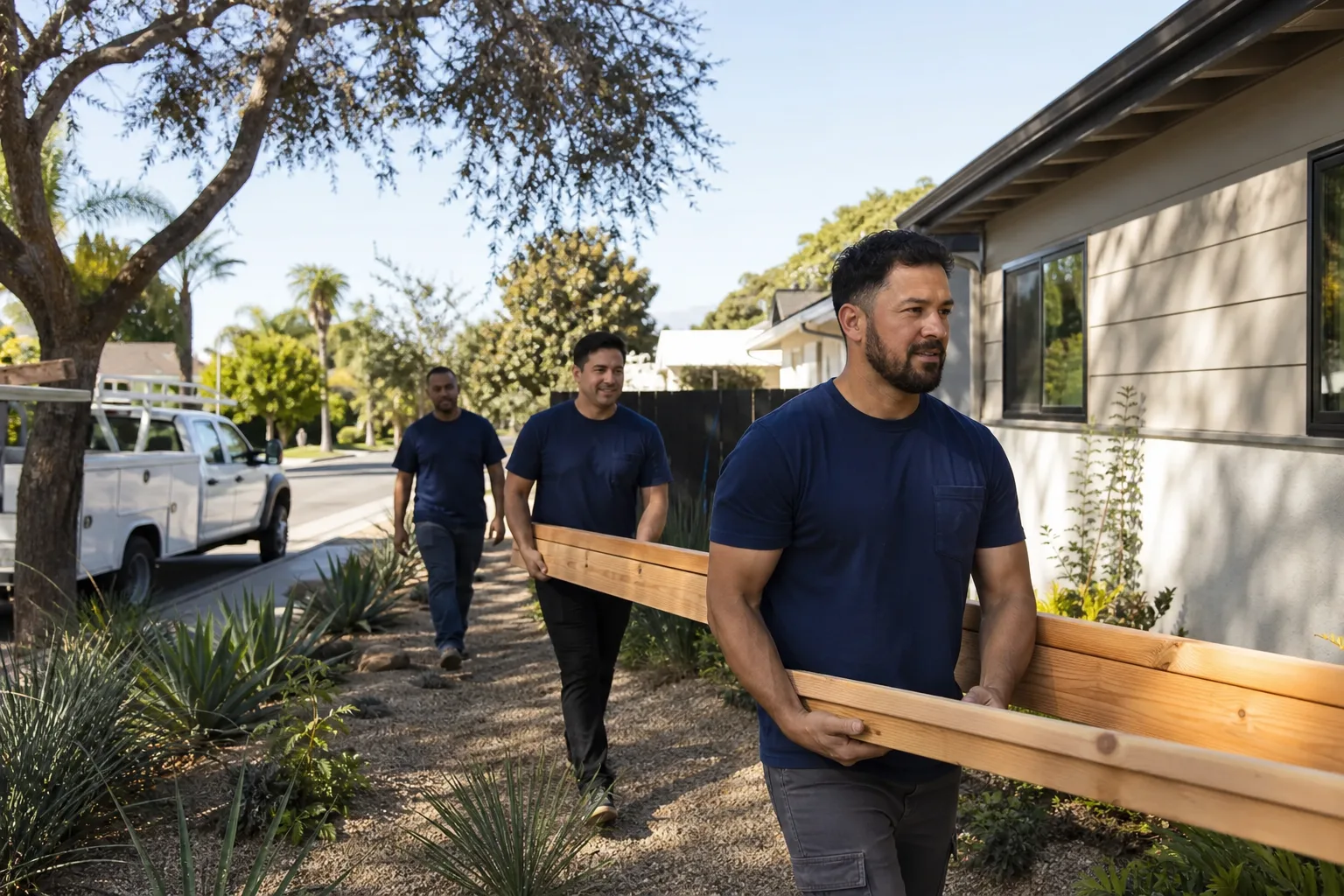
Threshold Verified crew arrives. You get the name and photo of the lead technician before they show up. They arrive in a marked uniform and show a photo ID at the door. Every person on your project is background-checked and identity-verified.
- 5
Build, test, and walk. We frame, tie in, wire, finish, and then actually test the integration: thermal imaging at the seam, water testing on flashing, and a full electrical load check. You walk the project with the lead before anyone calls it done.
- 6
The 365-Day Done Right Promise kicks in. The written guarantee covers defects in workmanship for one full calendar year from project completion. If something isn’t right, we make it right, including a free second visit if an element fails.
What Abodu Room Addition Contractor Costs in San Francisco
Real numbers help you decide if this is the year to build. Here’s what Abodu additions actually cost in San Francisco right now:
| Addition Type | Typical Range | What Drives the Price |
|---|---|---|
| Single-room addition (120 – 200 sq ft) | $60,000 – $110,000 | Foundation type, electrical upgrades, finish level |
| Bedroom + bathroom addition (250 – 400 sq ft) | $95,000 – $160,000 | Plumbing rough-in, waterproofing, fixture choices |
| Multi-room addition (400+ sq ft) | $140,000 – $240,000+ | Structural tie-in, panel replacement, site access |
| Kitchen extension on existing Abodu | $75,000 – $145,000 | Appliance circuits, ventilation, slab or pier work |
The three biggest cost movers in San Francisco are always the same: foundation conditions on your specific lot, seismic moment-frame requirements if the addition changes the envelope, and whether your existing Abodu electrical panel can carry the new load. We’ll tell you which one applies to your project before we quote you, not after. A straight answer now saves a painful conversation later. Call (831) 272-7212 for a written number on your specific unit and lot.
Why San Francisco Homeowners Call Sutton ADU San Francisco for Abodu Work
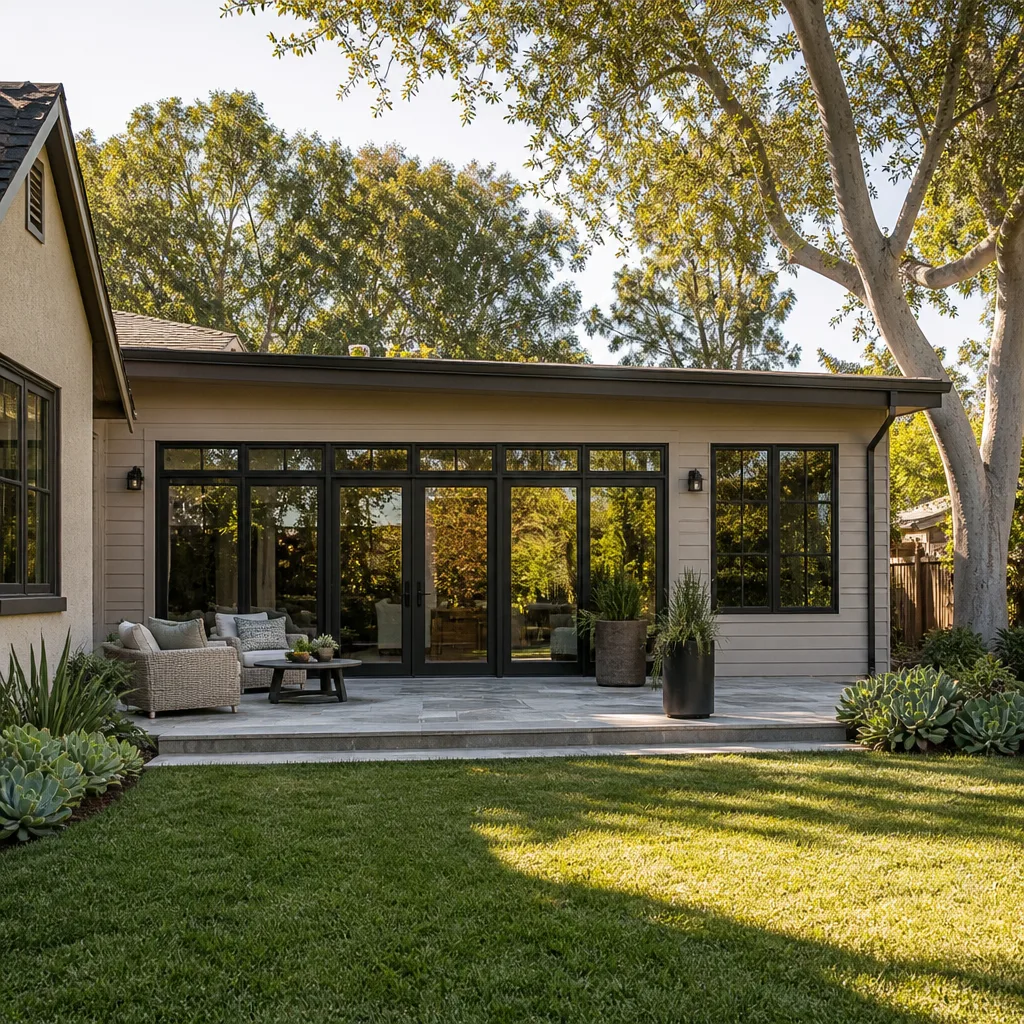
Most addition contractors in San Francisco give you a vague estimate, a start date that slides, and a crew you’ve never met. Sutton ADU San Francisco was founded in 2006 as the ADU-specialist member of the Threshold Group, and we’ve built the company around a different assumption: you deserve to know exactly who is coming to your property and exactly what you’ll pay before any tool gets lifted.
Every project is governed by the Threshold Standard. You get a written price before work begins. You get a 365-Day Done Right Promise covering workmanship in writing. You get a free second visit if any element fails within the year. And every technician who shows up at your door is background-checked, identity-verified, uniformed, and photo-badged, with their name and photo sent to you before arrival. No surprises, no anonymous crews, no scope creep sent silently to the bill.
We also work with other prefab and modular systems, including Cover and Dvele, so if your Abodu unit turns out to be the wrong candidate for a particular addition, we’ll tell you what will work instead of forcing it.
FAQs
Not every Abodu unit is a good addition candidate. Older Abodu units with steel-chassis foundations and 100-amp panels can absolutely take a small single-room addition, but multi-room expansions may require a panel swap and foundation work that changes the math. We’ll assess your specific unit and lot during the free site walk and tell you straight what’s feasible and what isn’t.
Yes, any modification performed by an independent contractor can void the manufacturer’s warranty on affected systems. That’s true of any prefab or modular ADU, not just Abodu. What we do is carry our own 365-Day Done Right Promise on all workmanship we perform, so you still have a written guarantee, just from us instead of the manufacturer. Call (831) 272-7212 and we’ll walk you through exactly what this means for your unit.
Most single-room additions take three to six weeks once permits are issued. The permit timeline itself varies from two to six months depending on the San Francisco building department’s current queue and whether your addition triggers design review. We handle the permitting and keep you posted on realistic timing, not optimistic timing.
We use both. For structural and weatherproofing components, we spec materials that meet or exceed the original Abodu specifications, often from manufacturers that supply the modular industry directly. For interior finishes, fixtures, and cladding, we typically use higher-quality aftermarket products that hold up better in San Francisco’s fog and damp conditions than some original factory finishes. We’ll show you the exact materials and costs in the written estimate before anything is ordered.
No. The written price you approve is the price you pay unless you change the scope. If we find a condition during the build that requires a change order, we stop work, explain what we found, and get your written approval on the revised scope before proceeding. That’s the Threshold Standard, and it’s non-negotiable.
Written by Miles Hartwell, Owner, Sutton ADU San Francisco at Sutton ADU San Francisco, serving San Francisco and nearby areas.