Abodu New Detached ADU: The San Francisco Owner’s Guide
We install and service Abodu new detached ADU parts across San Francisco, and most replacement components run $400 to $1,800 installed depending on what’s failed. If you’re noticing water intrusion, failing weather seals, or compromised wall panels on your prefab module, we can usually get a technician to your property with the right part within one to two business days. Call (831) 272-7212 and we’ll tell you over the phone whether it’s a same-week fix or something that needs a factory-order component.
Here’s the reality with Abodu units in San Francisco: these are well-engineered factory-built modules, but the city’s damp marine air, salt fog in the Sunset and Richmond, and the relentless wind exposure on higher lots near Twin Peaks push exterior components harder than Abodu’s own testing anticipated. What owners typically discover first is a door or window seal that’s begun to separate, a flashing point that’s pulling away from the module seam, or panel joint compound cracking along the marriage lines between modules. These aren’t structural emergencies in most cases, but they’re invitations for water, and water in San Francisco doesn’t wait.
One thing to understand from the start: Sutton ADU San Francisco is an independent service provider, not affiliated with Abodu. We work on their units because we know them well, but your warranty questions need to go through Abodu directly. We’ll tell you plainly if the part you need is something Abodu should cover.
Which Abodu Models This Applies To
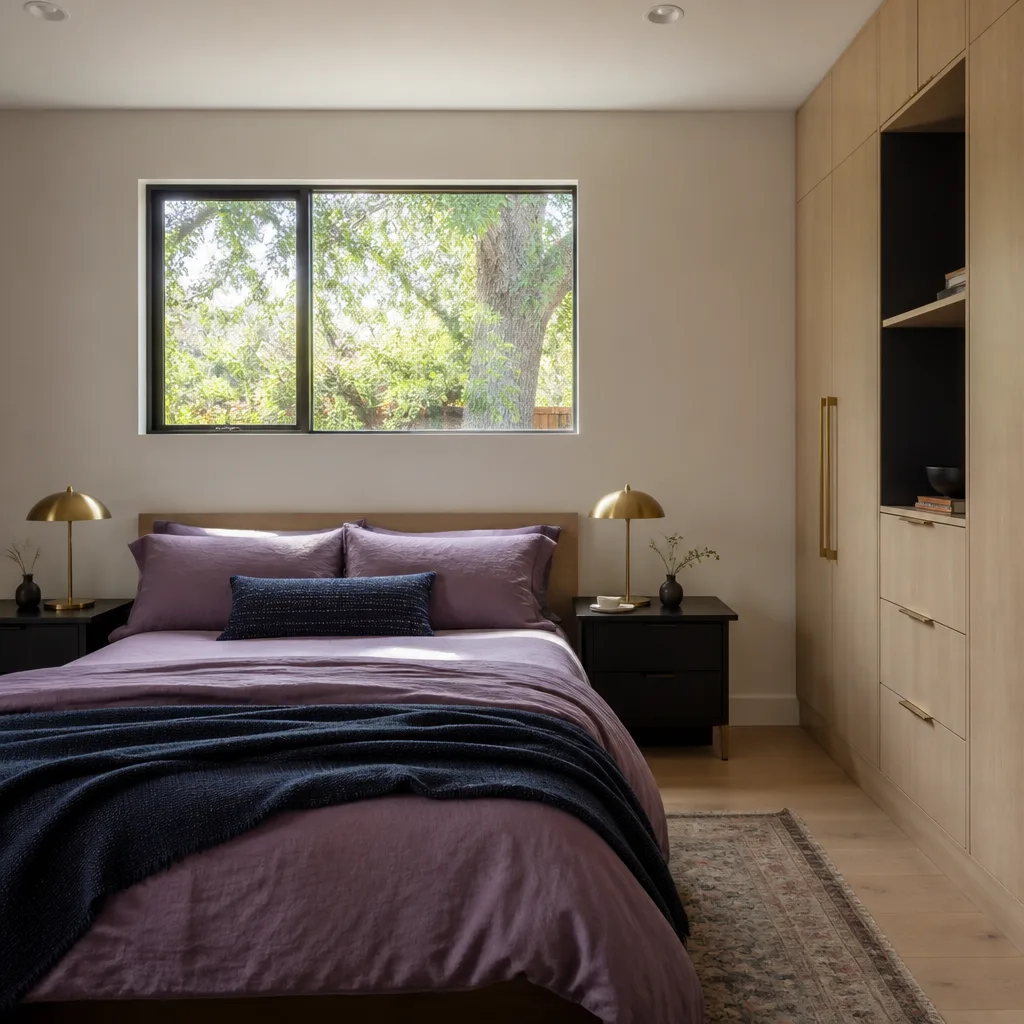
Abodu’s current lineup comes in three studio-to-two-bedroom configurations, each with slightly different exterior envelope parts and seam details. The Abodu Studio (their smallest module) uses a specific corner trim profile and a narrower door threshold than the Abodu One and Abodu Two. If you’re trying to identify a replacement part, look for the silver data plate mounted inside the electrical panel door or on the frame near the main entry; it lists the module serial number and the factory build date, which is what you’ll need for any Abodu warranty claim.
The biggest compatibility gotcha we see in San Francisco involves roof membrane patches and exterior trim from the pre-2022 production runs. Abodu switched trim profiles and flashing details in early 2022, so a part that looks right from a photo may be off by a half-inch in the seam. We carry the current profile stock on our trucks and can source the older profile from our Bay Area suppliers within a few days. When it comes to OEM versus aftermarket: for anything that touches the building envelope – door gaskets, window flashing, roof edge trim – we insist on OEM or a supplier we’ve verified against the original spec. The aftermarket savings on those parts is marginal, and the leak that follows isn’t.
For interior parts – latches, cabinet hardware, bath fan grilles – a quality aftermarket equivalent is usually fine, and we’ll be honest about where that’s the smarter spend. Abodu uses several off-the-shelf subcontractor components inside their modules, and matching those to the original manufacturer often costs less than going through Abodu’s parts channel.
Signs Your Abodu New Detached ADU Is Failing
- Water staining along the ceiling-to-wall transition near exterior corners. This usually means a roof membrane edge has lifted or a corner flashing screw has backed out. On Abodu modules, corners take the most stress during transport, and the sealant can be slightly compromised before the unit ever lands on your San Francisco lot.
- The entry door drags or binds more in wet months. Abodu doors are factory-hung, but San Francisco’s winter moisture swells the frame slightly. If you’re having to shoulder the door in December through March, the threshold seal and hinge adjustment need a look before the frame itself warps.
- Visible gaps or cracked caulk at the module marriage line. Detached Abodu units are set in modules and joined on-site. The joint compound and trim at that line can crack within the first 18 months as the modules settle independently on their piers. That’s normal – but it needs to be resealed before water finds the gap.
- Bath fan or range hood suddenly louder or rattling. The flex duct Abodu uses can pull loose from the exterior vent cap, especially after heavy wind events. The fan still works, but it’s now blowing moist air into the wall cavity instead of outside. This is a cheap fix if caught early and a mold problem if ignored.
- Siding panel edges lifting or “oil-canning” on the south-facing elevation. San Francisco’s afternoon sun on the Mission side and on exposed hillside lots heats the fiber-cement cladding enough that improperly set panel fasteners will show as slight buckling. It’s a fastener and release-gap issue, not usually a panel failure, but it needs to be corrected before the panels crack.
Replacement Cost & What’s Included
For an Abodu new detached ADU in San Francisco, here’s what you can expect to pay for the most common parts replacements:
- Door or window weather seal replacement: $180 to $420 installed
- Roof edge flashing or membrane patch: $350 to $800 installed (higher if a lift or roof-access ladder is required on steep lots)
- Module seam reseal and trim replacement: $500 to $1,200 installed
- Bath fan or range hood duct reconnection: $220 to $450 installed
- Fiber-cement siding panel replacement and fastener correction: $600 to $1,800 installed (depends on panel count and whether we’re matching existing paint)
Every quote includes the part, labor, and disposal of the old component. We give you the written price before any work begins, and that’s the price you pay unless we find something genuinely unplannable behind the wall – in which case we stop, tell you, and show you the new number before a single additional tool is lifted. That’s how Miles Hartwell has run jobs since he got his start at LA Trade-Tech, and it’s the only way we work in San Francisco. All of our Abodu part replacements are covered by our 365-Day Done Right Promise: if the work isn’t right within a year, we come back and make it right. No haggling, no fee.
DIY or Call Us?
There are things you can safely inspect on an Abodu unit without calling anyone: look at the caulk lines, check for visible daylight around door seals, note where water is pooling near the foundation. But we need to be straight with you: anything that requires pulling trim, separating module seams, or working on the roof of a detached ADU is not a weekend project and not a ladder job. San Francisco lots are tight, the setbacks are unforgiving, and a fall off an ADU roof is exactly as serious as a fall off a house roof. Roof membrane work, seam resealing, and any flashing replacement should be done by someone who’s been on these modules before and carries the right fall-protection and insurance for it.
If you’re not sure whether what you’re seeing is cosmetic or structural, send us a photo first. Call (831) 272-7212, describe what you’re seeing, and we’ll give you an honest read over the phone before you spend a dollar. A straight answer now saves a painful conversation later.
FAQs

In San Francisco’s climate, Abodu’s exterior seals and flashing details typically last 5 to 8 years before they need meaningful attention, with the west-facing elevation degrading fastest due to wind-driven rain and salt air. We also service Cover and Dvele units, and the pattern holds across all factory-built modules: the module will outlast its seams, and the seams are the maintenance item.
Call (831) 272-7212 if you’re hitting reseal intervals sooner than that – it usually means a site-specific wind or drainage issue that’s worth correcting.
Yes, for many sealant failures and joint cracks a professional reseal is the right repair and costs less than half of a full trim replacement. But once a seal has failed completely and water has penetrated the wall assembly, you’re past repair territory – the part needs to be pulled, the wall cavity inspected, and the component replaced. We’ll tell you which path applies before we sell you anything.
Most single-part replacements – a door seal set, a bath fan duct reconnection, a corner flashing patch – are completed in one visit of 2 to 3 hours. Module seam reseals typically take a half day. The limiting factor in San Francisco is often access: if we need a roof ladder or scaffold on a steep lot, that adds setup time to the job. We’ll give you a realistic window when you book, and the name and photo of the technician coming to your door before they arrive.
We carry the common wear items on our service trucks – door gaskets, window seals, roof edge flashing, fasteners, and joint compound for seam work. For anything model-specific or from a pre-2022 Abodu production run, we source from our Bay Area suppliers with a 3 to 5 day lead time. You don’t need to order from Abodu yourself unless you’re pursuing a warranty claim, in which case Abodu’s warranty team will want your serial number and photos of the failure.
Written by Miles Hartwell, Owner, Sutton ADU San Francisco at Sutton ADU San Francisco, serving San Francisco and nearby areas.
Contact Sutton ADU San Francisco
If your Abodu new detached ADU is showing signs of wear, water intrusion, or part failure, call us at (831) 272-7212 for a straight diagnosis and a written price before any work begins. We serve homeowners throughout San Francisco, from the Sunset to the foot of Twin Peaks, and we’ll tell you exactly who’s coming to your door before they arrive.