Boxabl Site Prep & Utilities: The San Francisco Owner’s Guide
Site prep and utility connections for a Boxabl in San Francisco typically run $28,000 – $75,000 depending on your lot’s slope, soil, and how far the gas, sewer, water, and power lines have to travel. We stock and install Boxabl-compatible site systems and can usually have a crew on your property within a few days of your call. Most owners discover their site package is failing not through a dramatic event, but through a slow drip of headaches: a breaker that trips on the heat pump, a sewer line that drains slower every month, or a foundation pad that’s started to settle unevenly after two winters of rain. The Boxabl unit itself might be fine. It’s what’s underneath it and what feeds it that’s giving out.
If you’re reading this, you probably already know the uncomfortable truth: the factory builds the box, but the ground it sits on and the utilities running into it are entirely local work. And in San Francisco, local work means hills, clay-heavy soils in some neighborhoods, sandy fill in others, and utility corridors that were laid before anyone imagined stacking factory-built homes on top of them.
Which Boxabl Models This Applies To
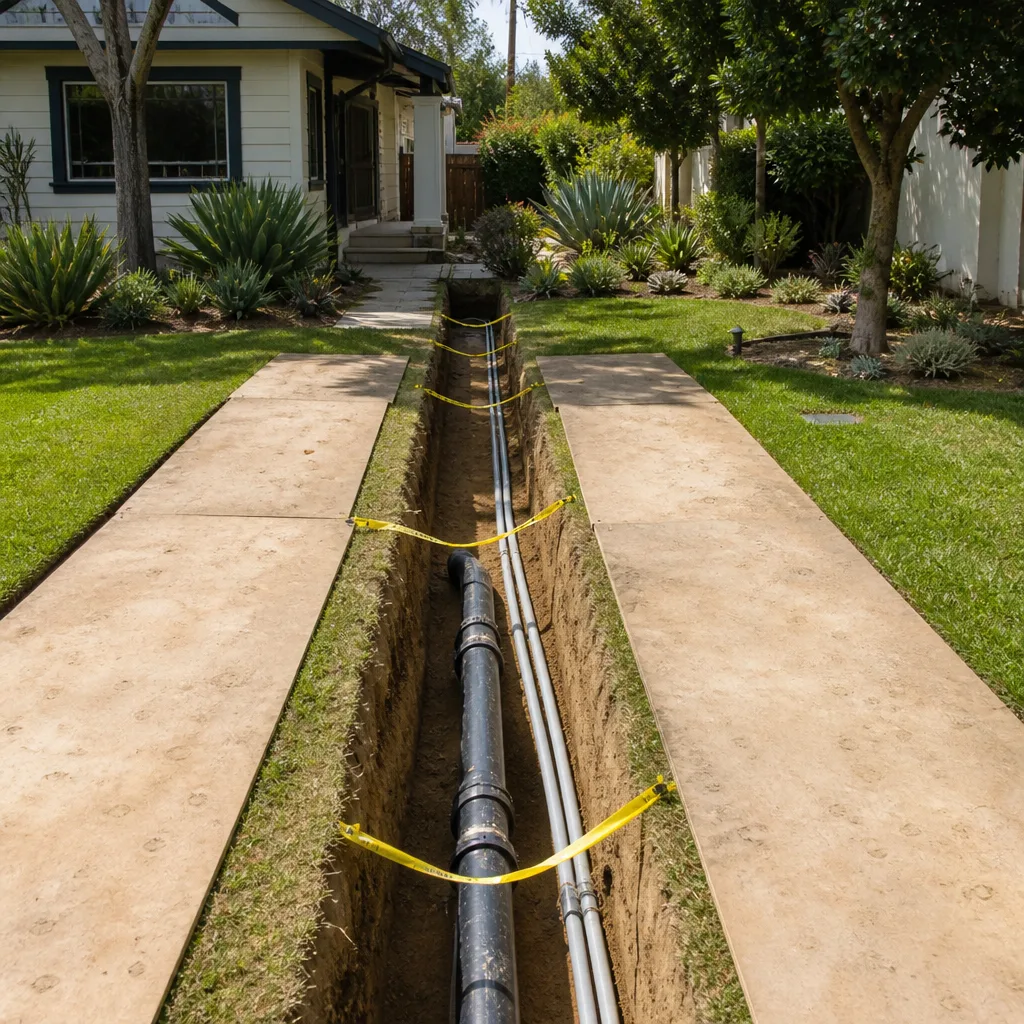
As an independent service provider, Sutton ADU Builders is not affiliated with Boxabl, but we’ve worked with their units in San Francisco and the surrounding Bay Area long enough to know the compatibility gotchas that matter. The site prep and utilities discussion applies to Boxabl’s Casita line, including the 20×20 configurations that dominate California installations. What varies between units is less about the box itself and more about what your specific utility package was originally spec’d for.
The key identifier on any Boxabl is the factory-issued data plate near the electrical panel. It lists the service amperage, HVAC specs, and the plumbing stub locations. If you’ve lost that plate, measure the utility chase: the main electrical feed into a standard Casita is 100-amp, 240-volt, and the sewer rough-in is a 3-inch schedule 40 pipe, same as a standard residential hookup. The water line is what catches people out. Some early California units came with 3/4-inch PEX stubs, which is undersized for a full-time occupancy unit with a dishwasher and washer-dryer. If you’re running low flow at the shower and the kitchen sink simultaneously, that’s often the culprit, and no amount of fixture swapping fixes it. You replace the stub or run a new 1-inch line.
For OEM versus aftermarket on site components: the Boxabl brand lives on the unit, not on the concrete, conduits, and valves. Everything outside the box is standard residential infrastructure, which means quality aftermarket parts from a commercial supply house are often a better value than ordering branded ancillary parts. The exception is the proprietary panel-to-unit power interface. If that’s what’s failing, you want the OEM connector, and we can source it faster than most owners can on their own.
Signs Your Boxabl Site Prep & Utilities Are Failing
- Tripping breakers on the heat pump or AC unit. This is often undersized conductors from the panel to the unit, not a bad heat pump. San Francisco’s marine air means the unit cycles hard on warm afternoons, and a wire that’s marginal will show itself first on the hottest day of the year.
- Sewer drains that slow down more every month. The Casita’s low-profile plumbing means a very shallow sewer lateral in many San Francisco lots. If tree roots or clay collapse have compromised the line, you’ll see progressive sluggishness, not a sudden backup.
- Visible settling on one corner of the pad. Boxabl units are heavy and rigid. Uneven settling stresses the chassis and can make doors bind inside. In the Sunset District and other sandy-soil areas, we see this more than anywhere else in the city.
- Water pressure drops sharply when a second fixture runs. As mentioned above, an undersized 3/4-inch stub cannot keep up. If you’ve got a washer running and the shower drops to a trickle, that’s a supply line replacement, not a water utility problem.
- Standing water near the utility trench or foundation after rain. Poor compaction or missing drainage means water is sitting against your slab. Over time that hydrostatic pressure causes cracks and heaving. It’s a site-work failure that reads like a plumbing problem.
Replacement Cost & What’s Included
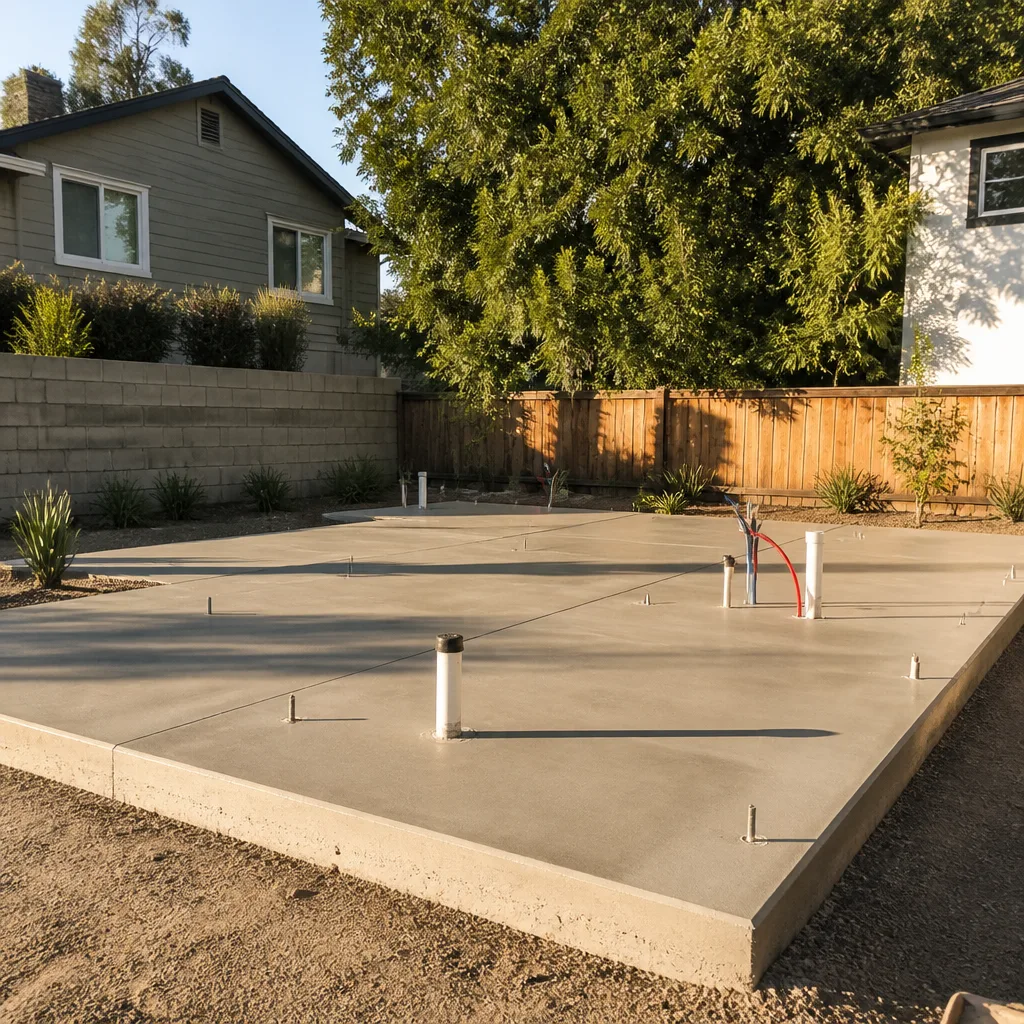
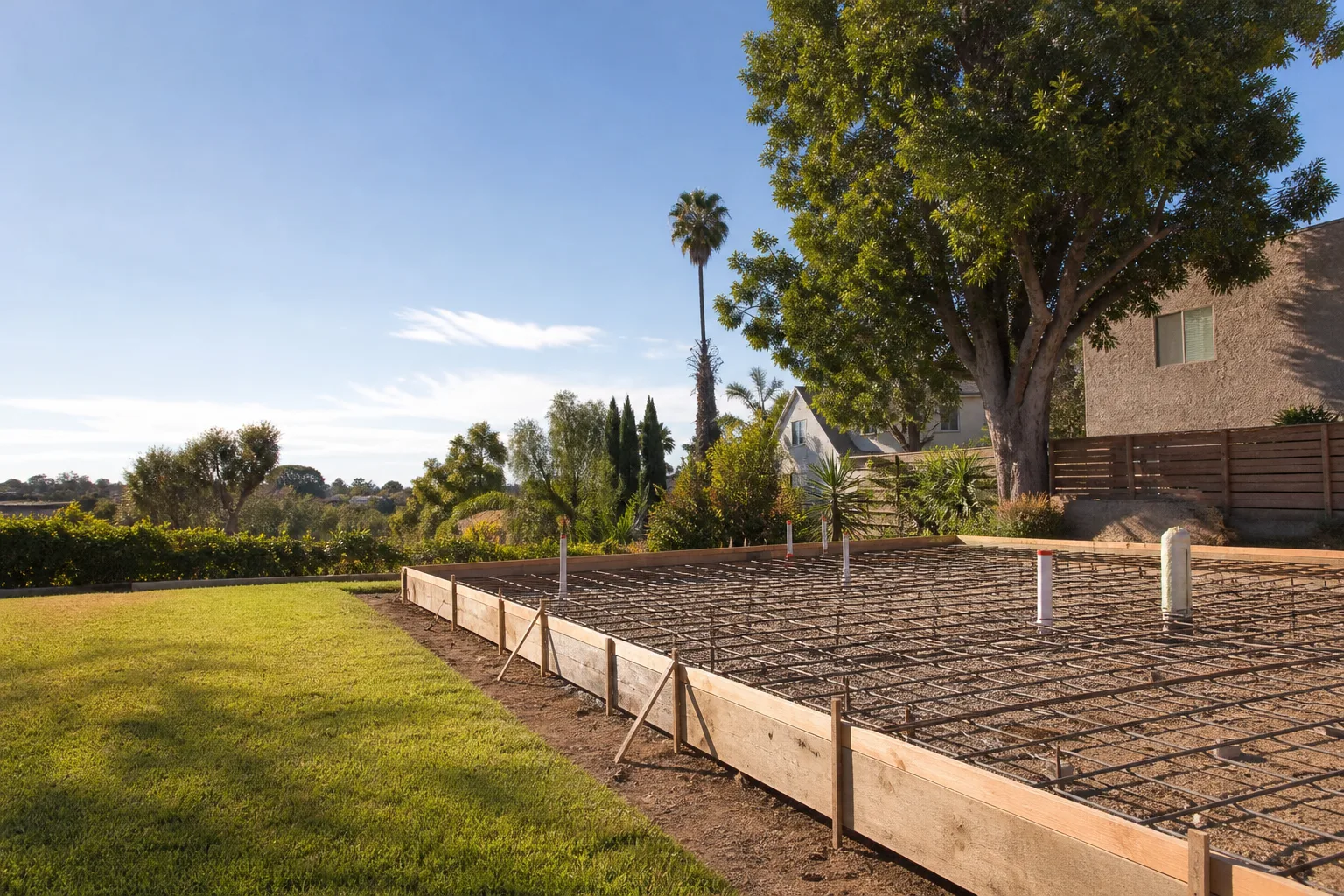
For a full site prep rework on a standard Boxabl Casita lot in San Francisco, you’re looking at $28,000 to $75,000 installed. That range accounts for what we actually find when we start digging. A flat corner lot in the outer Richmond with easy utility access lands on the low end. A sloped lot near Twin Peaks or Diamond Heights with retaining walls, a long sewer lateral, and PG&E coordination lands on the high end.
Every quote from Sutton ADU Builders includes a written price before we move a shovelful of dirt. That price covers excavation, pad repair or replacement as needed, utility trenching, conduit and piping, backfill with proper compaction, and connection to the Boxabl unit. It does not quietly balloon mid-project. The 365-Day Done Right Promise covers defects in workmanship for one full calendar year from project completion. If something we installed fails in that window, we make it right. No haggling, no second invoice.
DIY or Call Us?
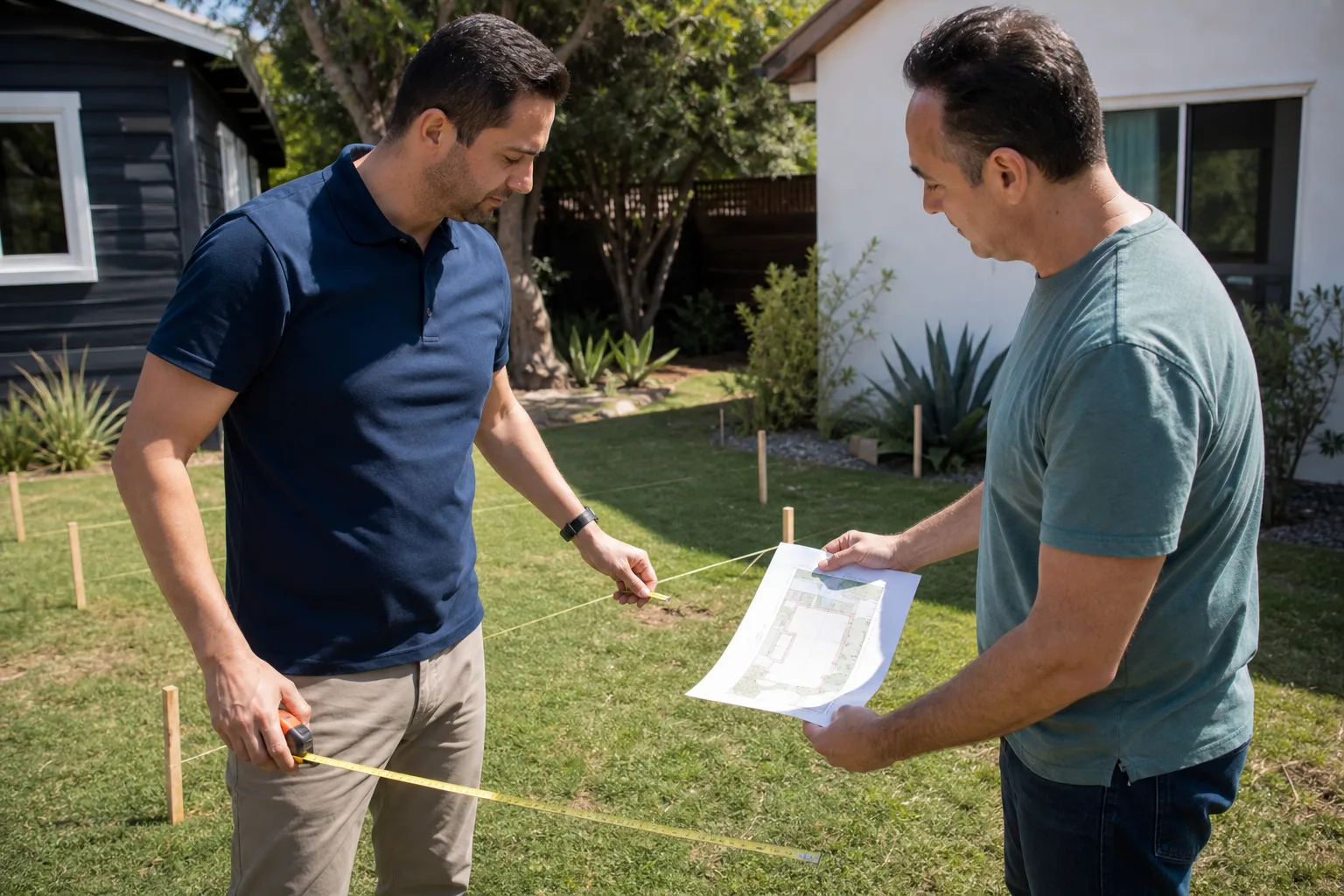
There’s a line between inspecting and repairing, and you should know exactly where it is before you touch anything. What you can safely do: check the data plate on your panel, note your breaker sizes, look for visible settling or standing water, and run a pressure test by turning on two fixtures at once. That information helps us quote accurately. What you should not do: dig near any utility line without a locate, attempt any electrical work on a 240-volt feed, or try to jack a settled Boxabl yourself. The electrical risks are obvious. The underground risks are worse: a cut PG&E line or fractured sewer lateral turns a $30,000 site repair into a $90,000 emergency.
Miles Hartwell has been doing this in the Bay Area long enough to know that a straight answer now saves a painful conversation later. If you suspect your Boxabl site package is failing, call (831) 272-7212. We’ll tell you what we think it is, what it costs, and who’s coming to your door before they show up.
FAQs
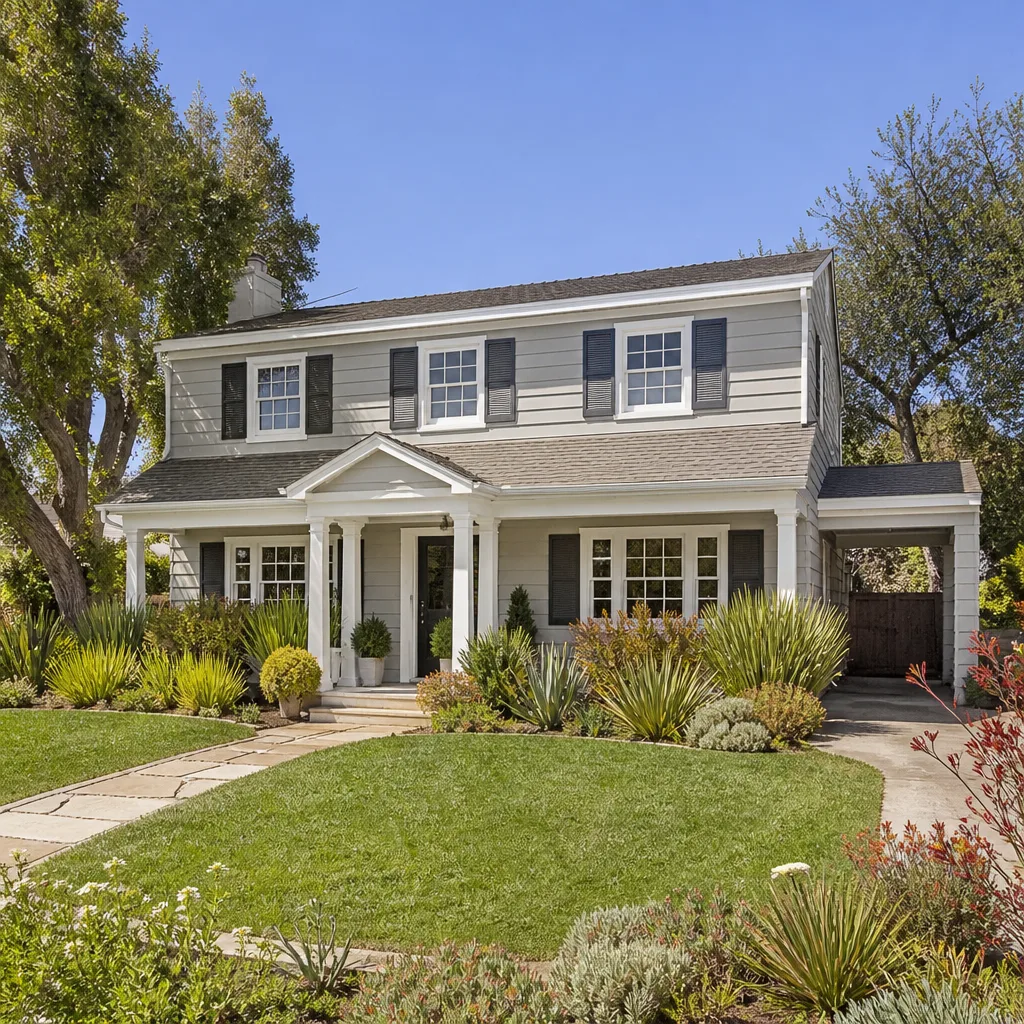
A properly installed foundation pad and utility package should last 30 to 50 years, but San Francisco’s specific conditions – expansive clay in some neighborhoods, sandy fill in others, and seismic movement everywhere – mean the original install quality matters more than the materials alone. If your original site work was done with marginal compaction or shallow trenching, failures can show up in 5 to 10 years. Call (831) 272-7212 and we’ll assess what you’ve got.
Depends on what’s failing. A single utility line can be replaced without touching the rest. A settling pad is sometimes repairable with slab jacking or selective excavation. But if you’ve got multiple failures – drainage, electrical, and sewer all showing issues at once – a full rework usually costs less than three separate patch jobs. We’ll give you the honest version when we inspect.
Plan on two to four weeks for a full site rework, assuming no surprises underground. Utility-only replacements are often done in under a week. San Francisco permits and PG&E coordination can add time, and we’ll spell out that timeline in your written quote.
We stock standard residential site components – conduit, schedule 40 pipe, PEX in multiple sizes, panel interfaces, and compaction materials – on our trucks and in our San Francisco yard. The proprietary Boxabl power interface is ordered per job, and we usually have it in hand within a week. Call (831) 272-7212 for an exact quote – estimates are free.
Written by Miles Hartwell, Owner, Sutton ADU San Francisco at Sutton ADU San Francisco, serving San Francisco and nearby areas.