Mighty Buildings Site Prep & Utilities: The San Francisco Owner’s Guide
We stock and install Mighty Buildings-compatible site prep and utilities components across San Francisco, with most utility connection packages running $4,800 to $14,500 depending on your lot’s distance from existing service lines and soil conditions. The work typically includes trenching, conduit runs, panel tie-ins, sewer laterals, and compaction, and we can usually have a site assessment done within a few business days of your call. The most common way owners discover a problem is when their Mighty Buildings unit won’t pass a city inspection, or when water pressure drops suddenly, or when electrical circuits inside the unit trip repeatedly for no obvious reason.
If you’re reading this because your prefab ADU is sitting in a staging yard while the site work stalls, or because a utility connection failed and now the unit is dark or dry, we’ll walk you through exactly what’s involved, what it costs, and what to watch for in San Francisco’s specific terrain. A straight answer now saves a painful conversation later.
Which Mighty Buildings Models This Applies To
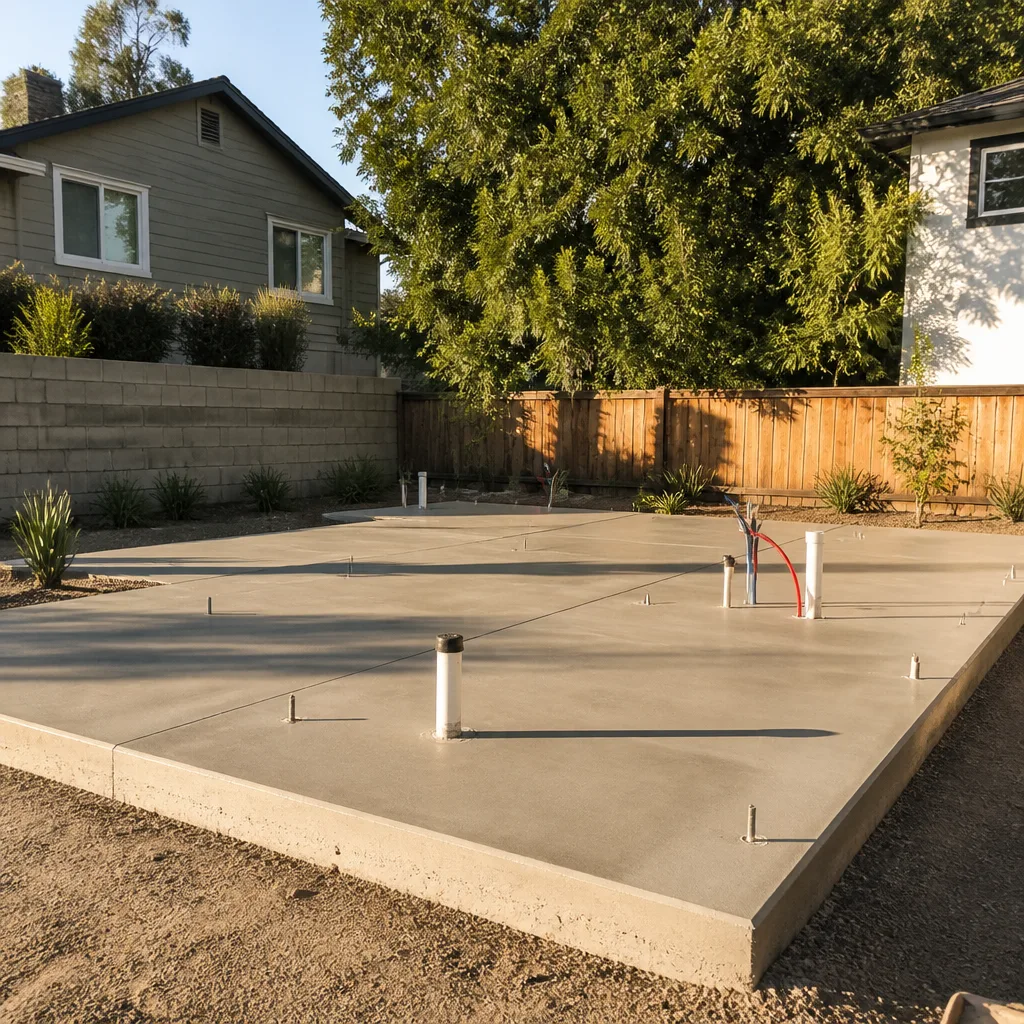
Site prep and utility work is model-independent, meaning the foundation, trenching, conduit, plumbing laterals, and electrical service apply whether you have a Mighty House, a Mighty Duo, or a custom unit from their catalog. What does change is the utility load calculation. A Mighty Duo with a full kitchen and washer/dryer will pull more amps and more water than a compact studio, and that affects the panel rating and pipe sizing we run from the street or the main house.
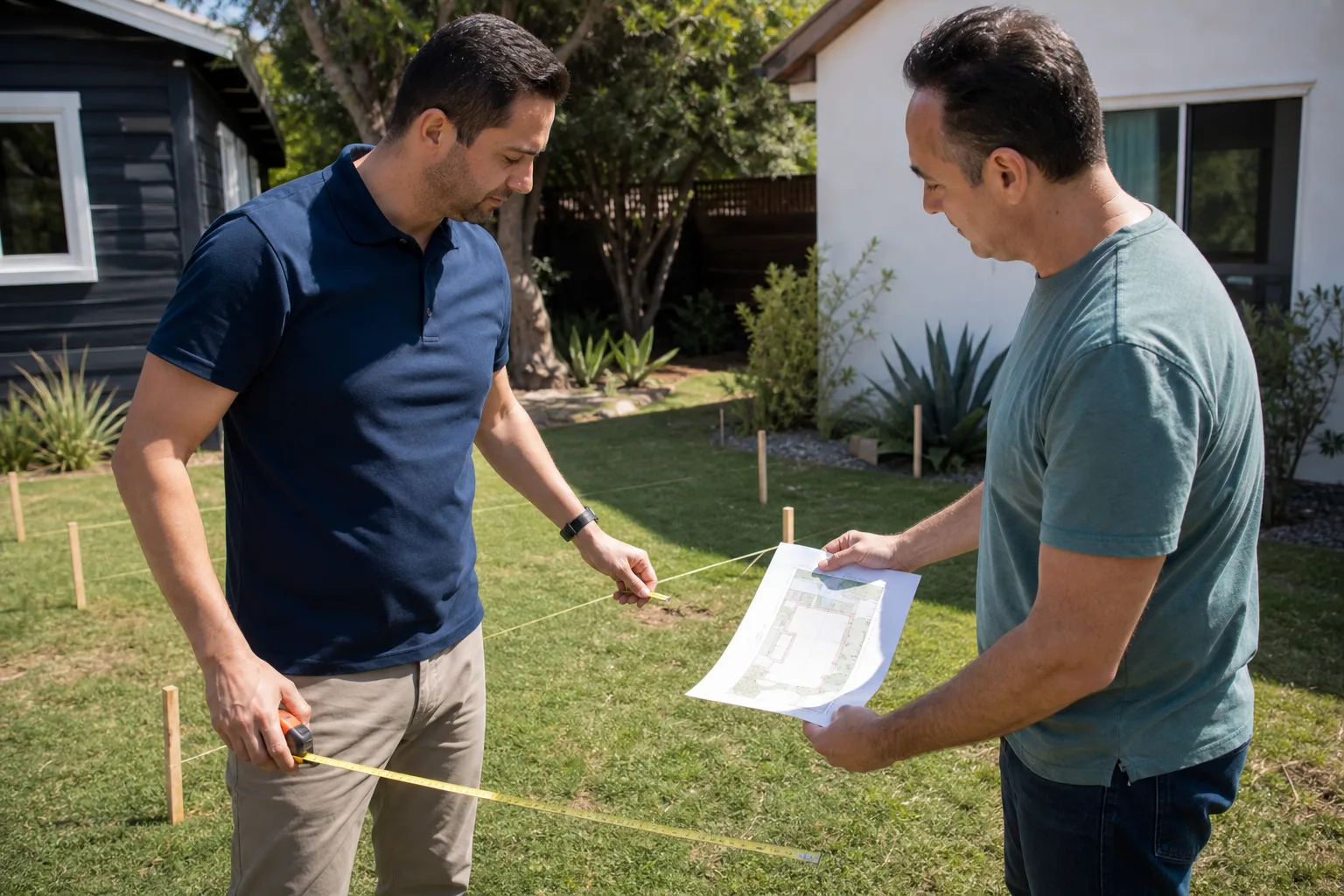
The compatibility issue most owners hit in San Francisco is the service entrance location. Mighty Buildings units arrive with utility stubs on the sides or rear, and the panel location is set at the factory. If your lot slopes toward the rear (which describes half of Noe Valley and most of Glen Park), we may need to run conduit and plumbing lateral an extra 20 to 60 feet. That distance is the single biggest driver of site prep cost, and it’s something a lot of online pricing guides ignore. We always verify stub locations against the unit’s shop drawings before we price anything.
On OEM versus aftermarket: for electrical panels, breakers, and meter sockets, we use the components Mighty Buildings specifies or direct UL-listed equivalents, never a downgrade. For trenching, gravel, compaction, and concrete pads, there’s no OEM involved, and we source from local San Francisco supply yards we’ve used since 2006.
Signs Your Mighty Buildings Site Prep & Utilities Are Failing
- Sewer odor near the unit or slow drains. This usually means a crushed or bellied sewer lateral, often from a poorly compacted trench or a neighbor’s root system. In older San Francisco neighborhoods like the Richmond District, clay pipes from the 1940s and 1950s are still common on the main house side.
- Circuit breakers trip when the unit’s heating runs. A Mighty Buildings unit with a heat pump can draw more on startup than the panel was sized for, especially if the site crew undersized the feeder wire between the main panel and the ADU subpanel.
- Low water pressure in the unit but good pressure in the main house. This points to an undersized supply line or a kinked PEX run in the trench. We’ve seen this in Excelsior and Portola lots where the supply run is longer than anyone planned for.
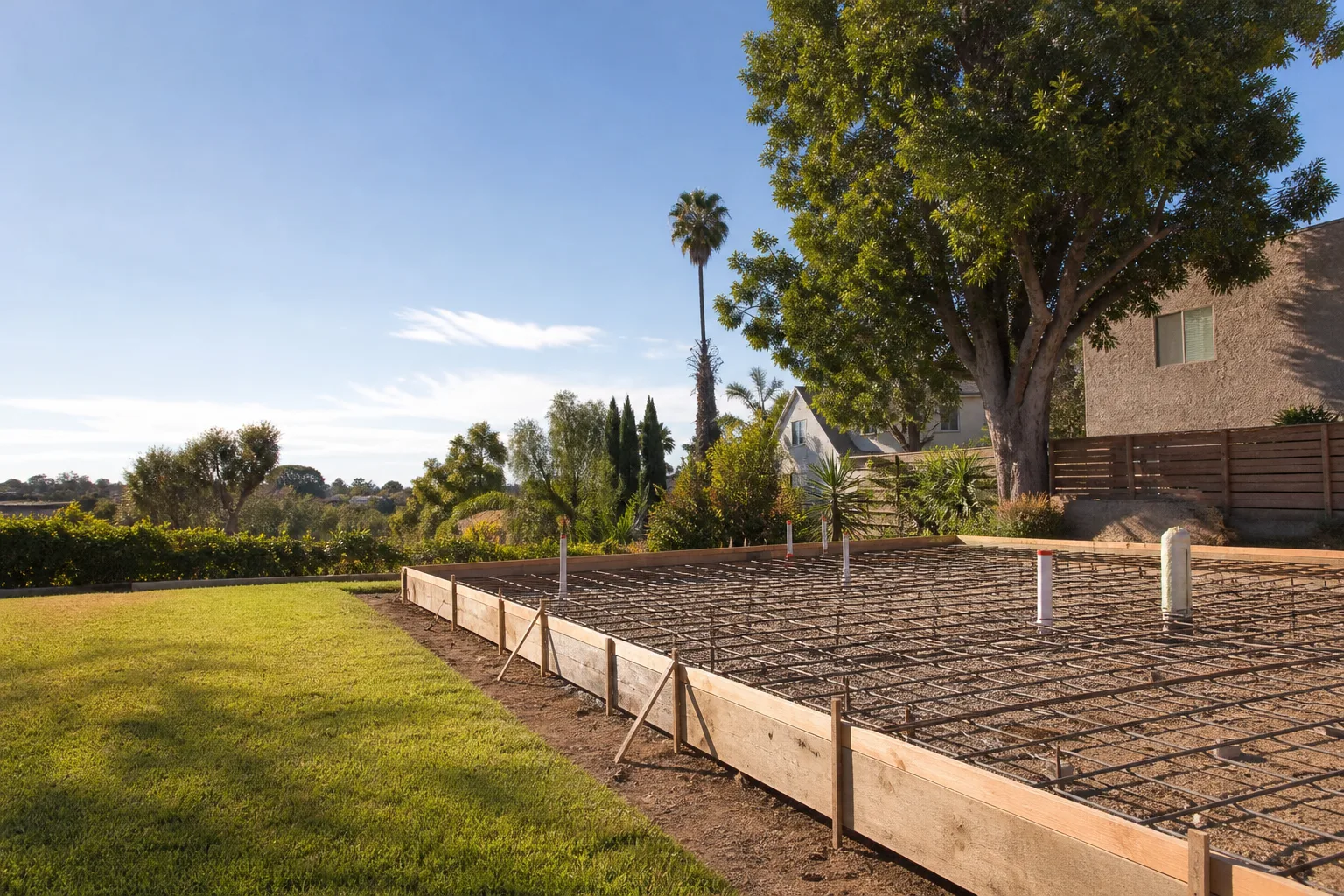
- Water pooling near the foundation or under the unit. Mighty Buildings units sit on concrete pads or pier foundations, and poor drainage or missing French drains will show up the first winter. San Francisco gets more rain than people remember, and saturated soil under a unit invites settling.
- Unit has settled or doors don’t close square. If the pad wasn’t compacted to spec or the site wasn’t graded properly, you’ll see it within the first 12 to 18 months. We see this in the Mission and Outer Sunset where a lot of fill was placed decades ago and it moves.
Replacement Cost & What’s Included
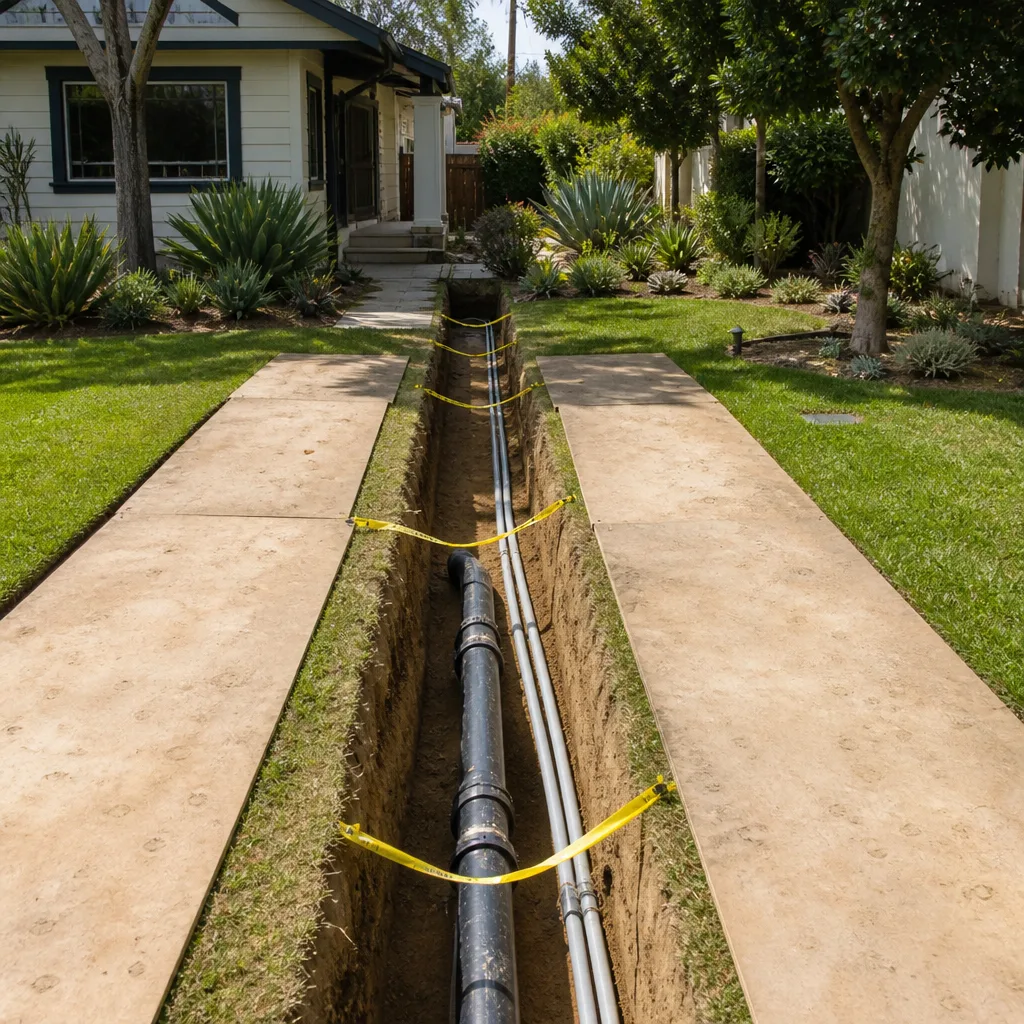
In San Francisco, full site prep and utility installation for a Mighty Buildings unit typically falls between $18,000 and $42,000, depending on scope. Here’s how that breaks down:
| Item | Typical Range |
|---|---|
| Site survey, soil test, and grading plan | $1,200 – $3,000 |
| Foundation pad or pier system | $6,000 – $14,000 |
| Trenching and backfill | $1,800 – $4,500 |
| Electrical service and subpanel | $3,500 – $8,000 |
| Plumbing supply and sewer lateral | $3,000 – $9,000 |
| Utility connection fees and inspections | $2,500 – $3,500 |
Trenching distance and soil type drive most of the variance. Rocky or waterlogged soil pushes costs up because it slows the work and sometimes requires shoring. Our written price includes all parts, labor, permit coordination, and the final inspection. You’ll get that number before we start, and the 365-Day Done Right Promise covers all our site work for a full year. We also pull permits and schedule inspections so you’re not left on the phone with the Department of Building Inspection.
DIY or Call Us?
Site prep and utility work is not a weekend project, and some parts of it are genuinely dangerous. Anything involving a live electrical panel, a gas line, or a deep trench over four feet should only be handled by a licensed professional. That’s not gatekeeping, it’s a safety reality. A collapsing trench can kill someone in seconds, and a bad electrical tie-in can sit buried for months before it starts a fire.
What you can safely do is walk the site and look at drainage patterns, check whether your main panel has open breaker slots, and note where your sewer cleanout is located. Those details help us give you a faster, more accurate price. For everything else, one phone call to (831) 272-7212 gets a live person and a straight answer about what your Mighty Buildings site needs and what it’ll cost.
FAQs
Properly installed underground electrical conduit and PEX water lines should last 40 to 50 years in San Francisco’s climate, though sewer laterals on older lots may need attention sooner because of shifting soil and tree roots.
Sometimes. A kinked supply line or a single bad conduit joint can often be spot-repaired, but if the original trench was poorly compacted or the line is undersized, replacement is usually cheaper in the long run.
Most San Francisco Mighty Buildings site packages take 3 to 6 weeks from first dig to final inspection, depending on permit timing and soil conditions. We’ll give you a written schedule as part of your estimate.
We keep common panel components, conduit, PEX fittings, and trenching materials on hand, and we source Mighty Buildings-specified electrical parts from local suppliers, so there’s rarely a wait of more than a few days. If you have a Mighty Buildings unit onsite or in staging, call (831) 272-7212 and we’ll verify what’s needed against your unit’s shop drawings.
We’re an independent San Francisco ADU contractor with experience preparing sites and connecting utilities for Mighty Buildings units, as well as Abodu, Cover, and Dvele projects. We’re not affiliated with Mighty Buildings, which means we tell you what the site needs without a sales pitch attached.
If your Mighty Buildings unit is waiting on a site, or if something under the ground isn’t working the way it should, call (831) 272-7212 for a free estimate. Miles Hartwell and our crew have been doing this work in San Francisco since long before prefab ADUs were common, and we’ll give you a written price before anything gets dug.
Written by Miles Hartwell, Owner, Sutton ADU San Francisco at Sutton ADU San Francisco, serving San Francisco and nearby areas.