Why San Francisco Homeowners Choose Dvele ADUs
We’re Sutton ADU San Francisco, and we provide San Francisco Dvele service – from module seam repair and roof cartridge reflashing to full installation and Title 24 compliance. We’re not a Dvele authorized dealer, and we’ll tell you that straight. What we are is a local crew that has set, serviced, and corrected Dvele homes on San Francisco hillsides long enough to know exactly where these prefab modules struggle in our fog, wind, and shifting soil. If your Dvele is showing seam separation, insulation settling, or parapet corner lift, call (831) 272-7212 and we’ll give you a written diagnosis and a fixed price before any work starts.
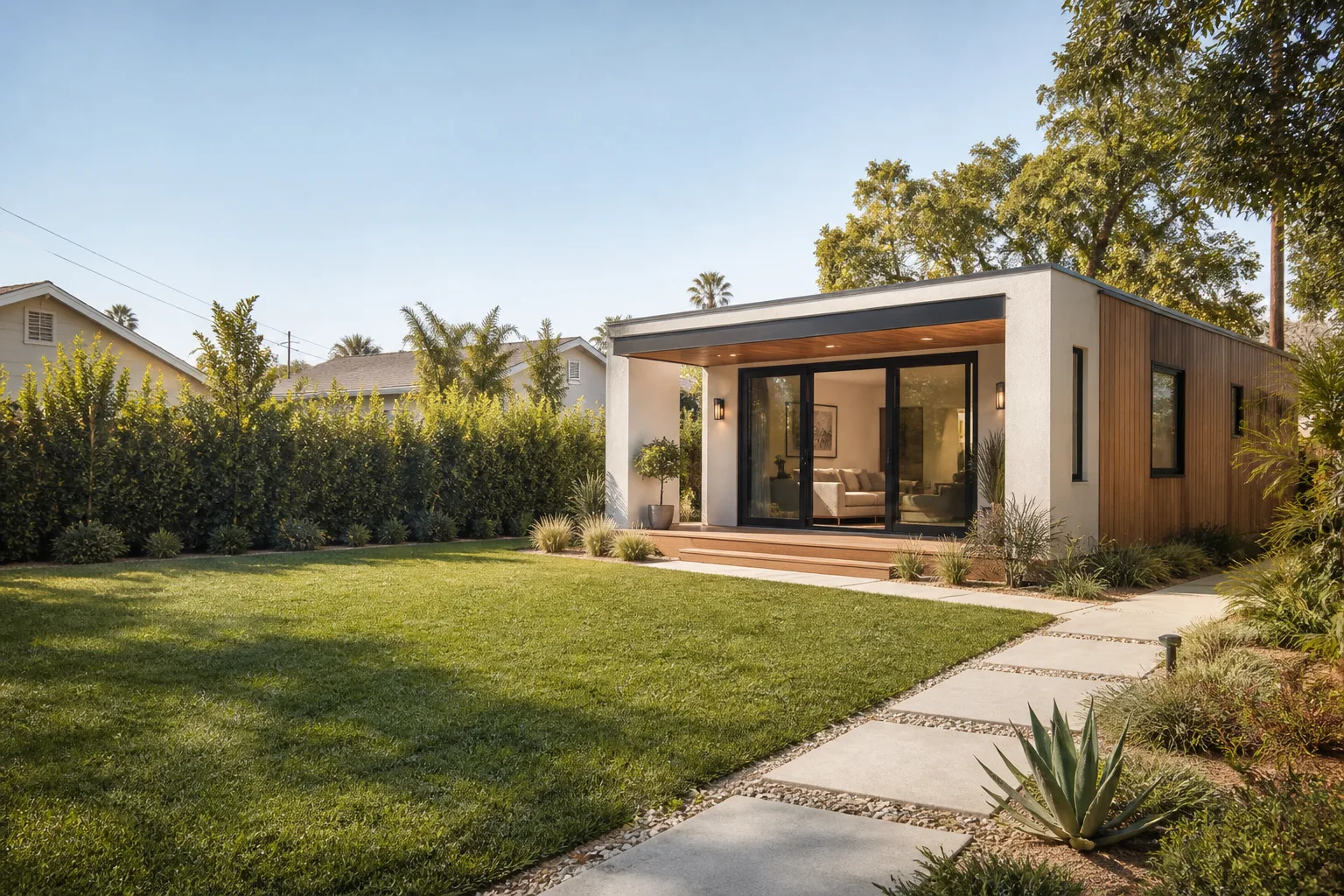
Dvele builds genuinely impressive prefab homes. The factory in Southern California turns out modules with tighter tolerances than most site-built framing we see. But a module that leaves the factory perfect still has to land on a San Mateo Dvele service lot or San Francisco site, and that’s where the trouble starts. Crane sets on sloping pads, micro-shifts from our seismic activity, and fog that works its way into any compromised gasket – these are the things the factory set instructions don’t fully anticipate. We do.
Why Trust Sutton ADU San Francisco for Your Dvele ADU?
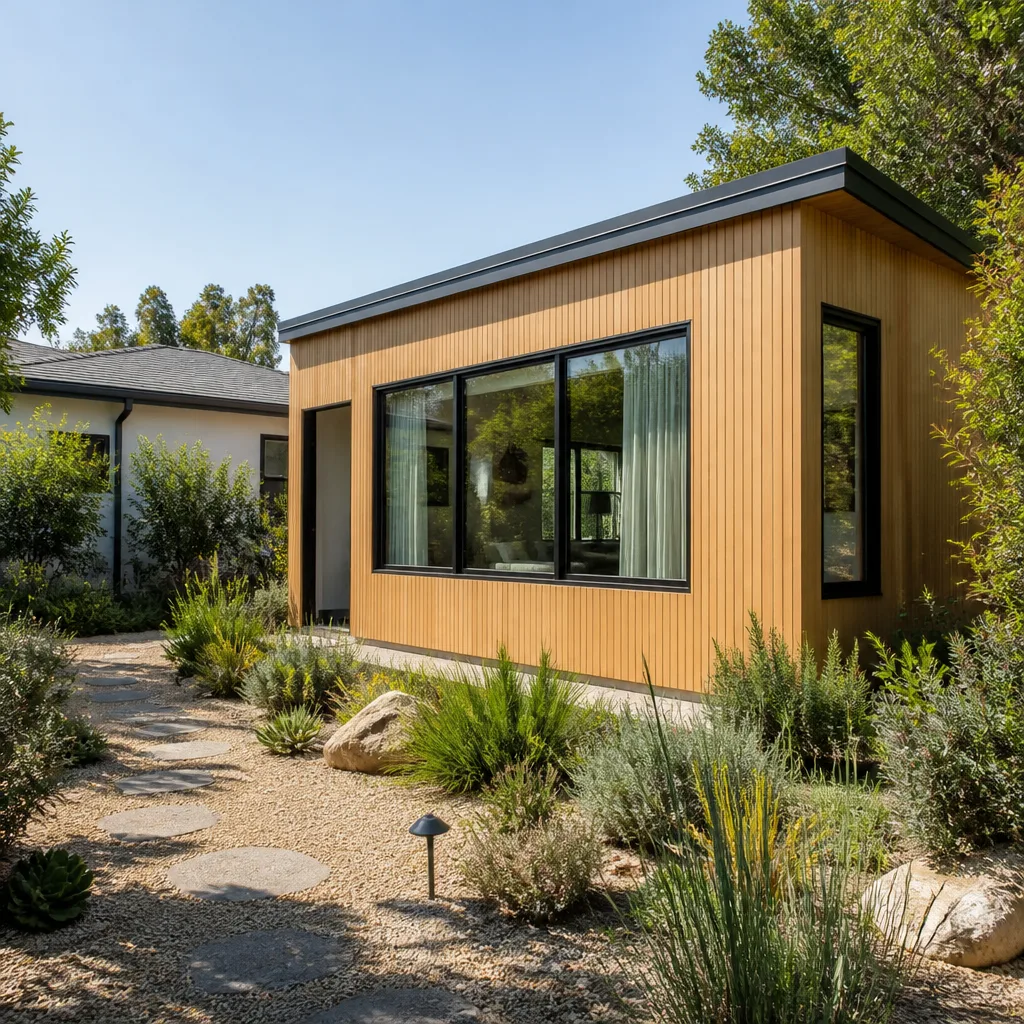
Miles Hartwell, our owner, has been working Bay Area ADU projects for well over a decade, and he’s spent most of that time on exactly the kind of lots San Francisco throws at you – tight urban parcels, hillside slopes, older housing stock with foundation quirks. He got his start at Los Angeles Trade-Technical College, and that training still shapes how we run every job: understand the structure first, then touch it. Dvele’s steel-frame modules and mineral wool wall cassettes are not like conventional wood framing, and a crew that treats them that way will cause problems you won’t see until the first fog season.
When we service a Dvele, we approach it as a system, not a box. That means we look at how the modules mated at the crane set, how the roof cartridges sealed at the parapets, and whether the MEP rough-ins actually align with what was promised on the factory drawings. We carry OEM structural cassettes and factory-matched gaskets when we can source them through non-authorized channels, and we pair them with aftermarket sealants and fasteners proven to hold up in San Francisco’s salt air and coastal humidity. Every technician who shows up at your door is background-checked, identity-verified, and photo-badged under the Threshold Verified standard – you’ll know their name and see their face before they arrive. And every Dvele job we take gets a written price first, plus the 365-Day Done Right Promise: if our work isn’t right within a full year, we make it right. That’s not a verbal assurance. It’s stamped on the project.
Common Dvele ADU Problems We Fix in San Francisco
- Module joint flashing separation after seismic micro-shifts. Dvele homes are built in modules that mate along gasketed seams. San Francisco’s constant low-level seismic activity – the small shifts most people never feel – works those seams over time. We regularly see the original joint flashing pull away from module corners, especially on hillside lots where one module settles a fraction of an inch more than its neighbor. Once that flashing separates, fog-driven moisture gets into the gasket channel. We realign, reflash, and verify the seam before drywall goes back on.
- Roof cartridge lifting at parapet corners. The Dvele 2400 Series and 3200 Series use factory roof cartridges that seal at parapet corners with gaskets. Under San Francisco’s seasonal northwest winds, those corners take real uplift pressure. We’ve opened up more than a few where the original cartridge gasket tore during a winter wind event and the homeowner only noticed when water staining showed up on the ceiling below. The fix is a compression-grade EPDM replacement and a reflashed corner – not a caulk patch.
- MEP rough-in stub-outs misaligned after crane set. When a Dvele module lands on a San Francisco hillside pad, pad elevations rarely match the factory drawings perfectly. A difference of even an inch or two across corner piers can throw the MEP rough-ins out of alignment where modules connect. We’ve corrected stub-outs on Dvele 1200, 2400, and 3200 Series installs where plumbing and electrical chases no longer lined up. This one matters because drywall goes up fast on prefab, and a misaligned stub-out hidden behind finished wall is a slow, expensive discovery.
- Mineral wool insulation settling in wall cassettes. Dvele uses mineral wool insulation in their wall cassettes, and it performs well when it stays where it belongs. But on west-side San Francisco neighborhoods like the Sunset and Richmond, prolonged fog exposure and temperature swings can cause settling over several seasons. The result is a wall that still looks fine but has lost some of its promised R-value where the insulation has slumped. We can open the cassette, inspect, re-densify or replace the insulation, and re-verify with thermal imaging.
- Title 24 airtightness failures after fog-season settling. Dvele builds to high energy standards, but San Francisco’s unique climate puts real stress on the envelope. We’ve tested Dvele ADUs after their first or second fog season and found air leakage at module joints that wasn’t there on day one. Once a seam opens even slightly, coastal humidity finds it. We do blower door testing, locate the leaks, and reseal to restore Title 24 compliance before it becomes a permit problem.
Dvele Parts & Our Repair-vs-Replace Approach
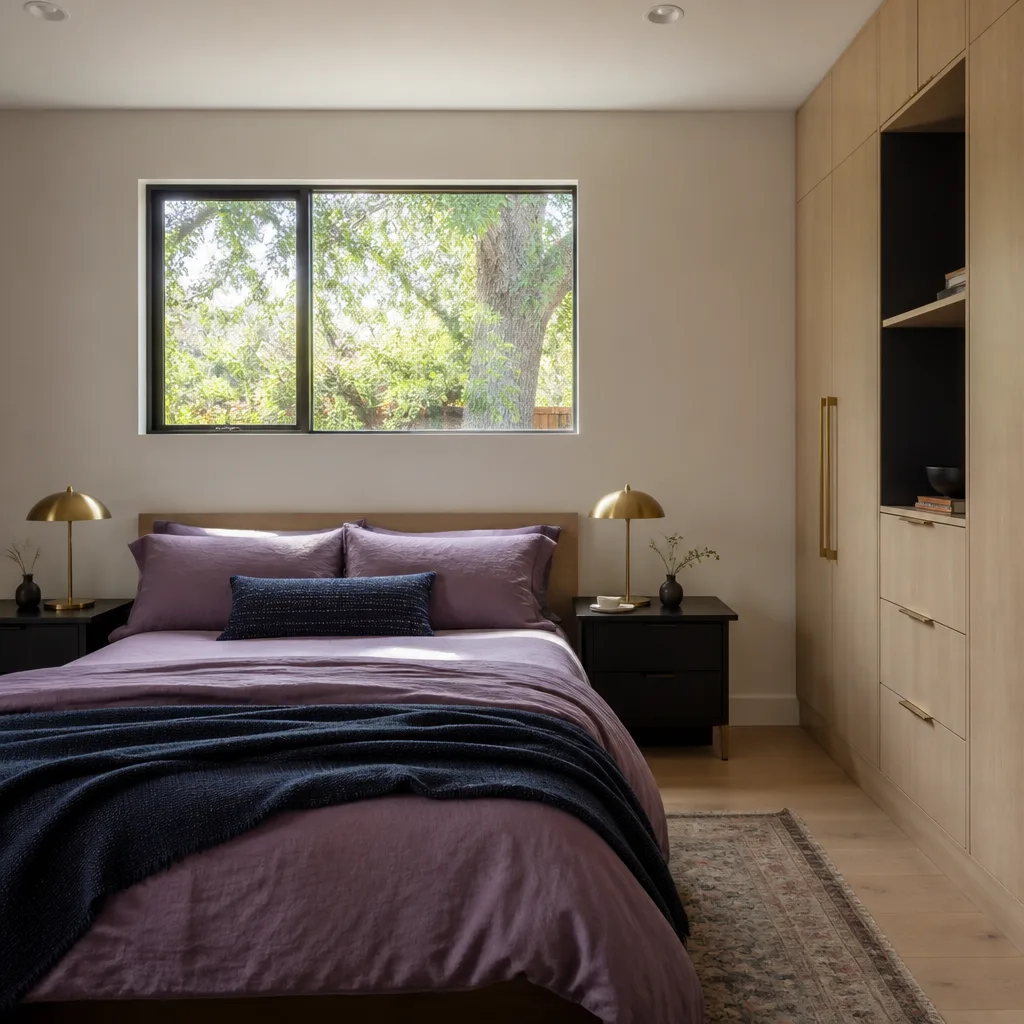
For Dvele structural components, we use OEM cassettes and factory-matched gaskets whenever we can source them through independent channels. Dvele’s steel framing is engineered as a system, and swapping in a generic structural part changes how loads transfer through the module. That’s not a corner we’ll cut. For non-structural items – sealants, fasteners, flashing, weather barriers – we use proven aftermarket products selected specifically for San Francisco’s salt air, fog, and wind. In our experience, the right aftermarket EPDM or butyl sealant often outperforms what the factory originally specified, because it’s chosen for our conditions, not a generic California spec.
Repair versus replace is a real conversation we have with every Dvele owner. If a module joint’s movement tolerance is compromised – meaning the original flex was lost because someone patched it rigid – we replace the module edge rather than patch over it. Fog moisture will find any repair that reduces original flex. That’s not a scare tactic. It’s what we’ve seen happen. Call (831) 272-7212 and we’ll tell you honestly which way your repair should go, with a written price either way.
Our Dvele Service Process – Step by Step
- 1
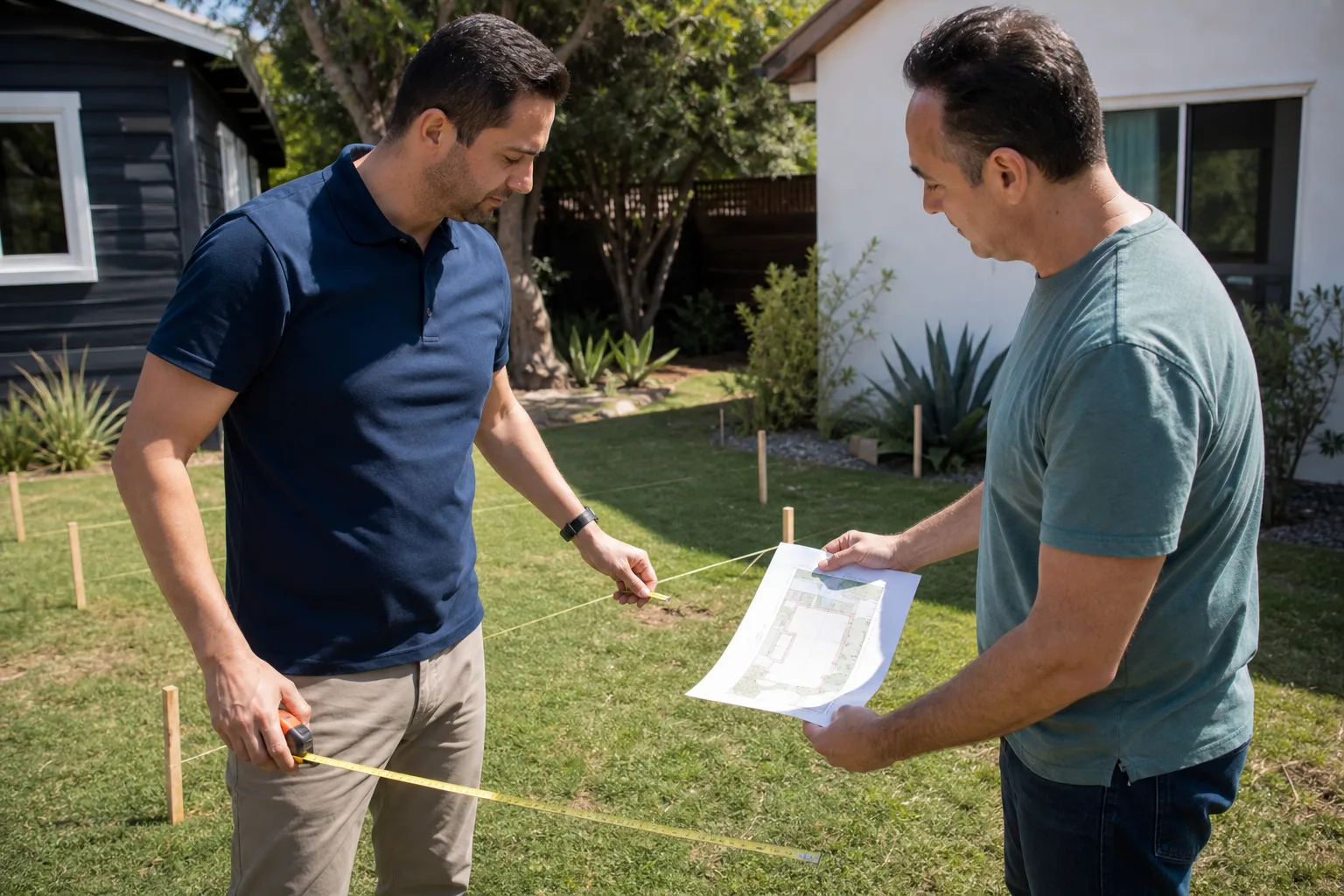
Diagnosis. We start by inspecting the Dvele’s module seams, roof cartridges, and any visible MEP rough-ins. For envelope issues, we use a blower door and thermal imaging to find exactly where air and moisture are moving. You get a written diagnosis with photos, not a verbal summary.
- 2
Written price. Before any tool is lifted, you get a line-item price covering parts and labor. If the diagnosis reveals something we didn’t expect once we open a wall, we stop and talk to you – no silent scope creep, no surprise invoice at the end.
- 3
Repair or install. We execute the work using the parts approach above. For seam work, that means realigning the joint, replacing compromised gaskets with compression-grade EPDM, and reflashing before any interior finish goes back. For roof cartridges, we don’t caulk over a lifted corner – we reset the cartridge, replace the gasket, and verify the parapet seal.
- 4
Verification. After the repair, we re-test. If it’s an envelope issue, we run the blower door again and compare the numbers. We also visually inspect every seam and corner we touched. You get a clear summary of what was done and what the test showed.
- 5
365-Day Done Right Promise. Every Dvele service job carries our written guarantee: if our work isn’t right within one full calendar year from completion, we come back and make it right. No haggling, no fee. That’s the Threshold Standard, in writing.
Dvele Products We Service & Install in San Francisco
We work on the full Dvele residential lineup: the Dvele 1200 Series, 2400 Series, 3200 Series, and the Loft Series. Each has its own quirks in San Francisco conditions. The 1200 Series modules are smaller and tighter, which helps on narrow lots but leaves less room for MEP routing adjustments after a crane set. The 2400 and 3200 Series are wider and heavier, which means pad elevation differences hit harder when the crane lowers them. The Loft Series, with its taller interior volume, puts different stress on wall cassettes and roof cartridges. We stock locally the sealants, fasteners, and gaskets that cover most Dvele service in Redwood City and San Francisco repair needs, and we can source OEM structural components quickly when a job calls for them.
We Also Service These Brands
Dvele is one of several prefab ADU lines we support in San Francisco. We also service and install Abodu and Cover homes, plus other modular systems. That matters because it means our Dvele advice isn’t clouded by brand loyalty – we’ll tell you honestly how your Dvele compares to what else is out there, and what repair approach actually serves your home.
FAQs – Dvele ADU Service in San Francisco
Can Sutton service a Dvele home that was installed by another crew and now shows seam separation on a San Francisco hillside? Yes, and this is one of the most common calls we get. Seam separation on a hillside lot usually means the original crew didn’t account for differential settling between modules, or the factory flashing wasn’t re-verified after the crane set. We’ll inspect each affected seam, determine whether the movement tolerance is still intact, and then either reflash or replace the module edge depending on what we find. Call (831) 272-7212 to schedule a diagnosis.
How does Sutton handle Dvele’s original roof cartridge if it lifts at a parapet corner in our wind zone? We don’t patch a lifted cartridge – we reset it. The original gasket gets removed, the parapet corner is inspected for hidden damage, and a compression-grade EPDM gasket goes in before the corner is reflashed with materials suited to San Francisco’s northwest winds. A caulk fix will hold a season or two at best. We fix it so it stays fixed.
Is Sutton able to adjust Dvele’s MEP stub-outs after a crane set that landed off by a few inches? Yes. This is a common issue on San Francisco hillside lots where pad elevations vary from the factory drawings. We realign the plumbing and electrical chases before drywall goes up, verify everything is properly supported, and document the adjustment so your as-built records stay accurate. If you’re mid-install and suspect stub-out misalignment, call (831) 272-7212 sooner rather than later – drywall hides mistakes fast.
Will Title 24 compliance fail on a Dvele ADU if insulation has settled after a fog-season settling? It can, and we’ve verified it with blower door testing. Settled mineral wool in wall cassettes reduces the wall’s actual R-value, and opened module seams create air leakage that shows up in compliance testing. If you’re facing a Title 24 re-verification, we can test the envelope, identify where insulation has settled, re-densify or replace it, and reseal the seams so the numbers pass.
Does Sutton work with Dvele’s HOA-facing documentation for San Francisco accessory structures? We do. HOA and zoning compliance is part of our prefab ADU service, and we’re familiar with what San Francisco HOAs ask for when a Dvele goes on a lot in a planned community or hillside association. We help prepare the documentation and we’re careful to keep our service work consistent with what the HOA approved, so you don’t end up re-opening a permitting issue after the repair is done.
How much does Dvele ADU service cost in San Francisco? It depends on what’s wrong. A simple seam reflash might run $800 to $2,500 depending on access and severity. A full roof cartridge reset with new gaskets on a 2400 or 3200 Series is typically $4,000 to $9,000. Insulation re-densification in wall cassettes usually lands between $1,500 and $4,500 per wall depending on how many cassettes need opening. MEP stub-out realignment on an exposed rough-in runs $1,200 to $3,500, more if drywall has to come off. Every job gets a written quote before work starts – call (831) 272-7212 for an exact number on your Dvele.
Book Your Dvele Service in San Francisco, CA
If your Dvele is showing seam separation, parapet lift, or fog-season moisture problems, don’t wait for the next rain cycle. Call Sutton ADU San Francisco at (831) 272-7212 for a free estimate and a written diagnosis from your trusted Home Addition Contractor. We’ll send a background-checked, photo-badged technician, give you a straight answer on what needs fixing, and stand behind the work for a full year.
Written by Miles Hartwell, Owner at Sutton ADU San Francisco, serving San Francisco since 2006.